Tag Archives: Consciousness

AWAKENING TO POSITIVE COMPROMISE

 “We cannot change anything until we can accept it.  Condemnation does not liberate, it oppresses.”  Carl Jung

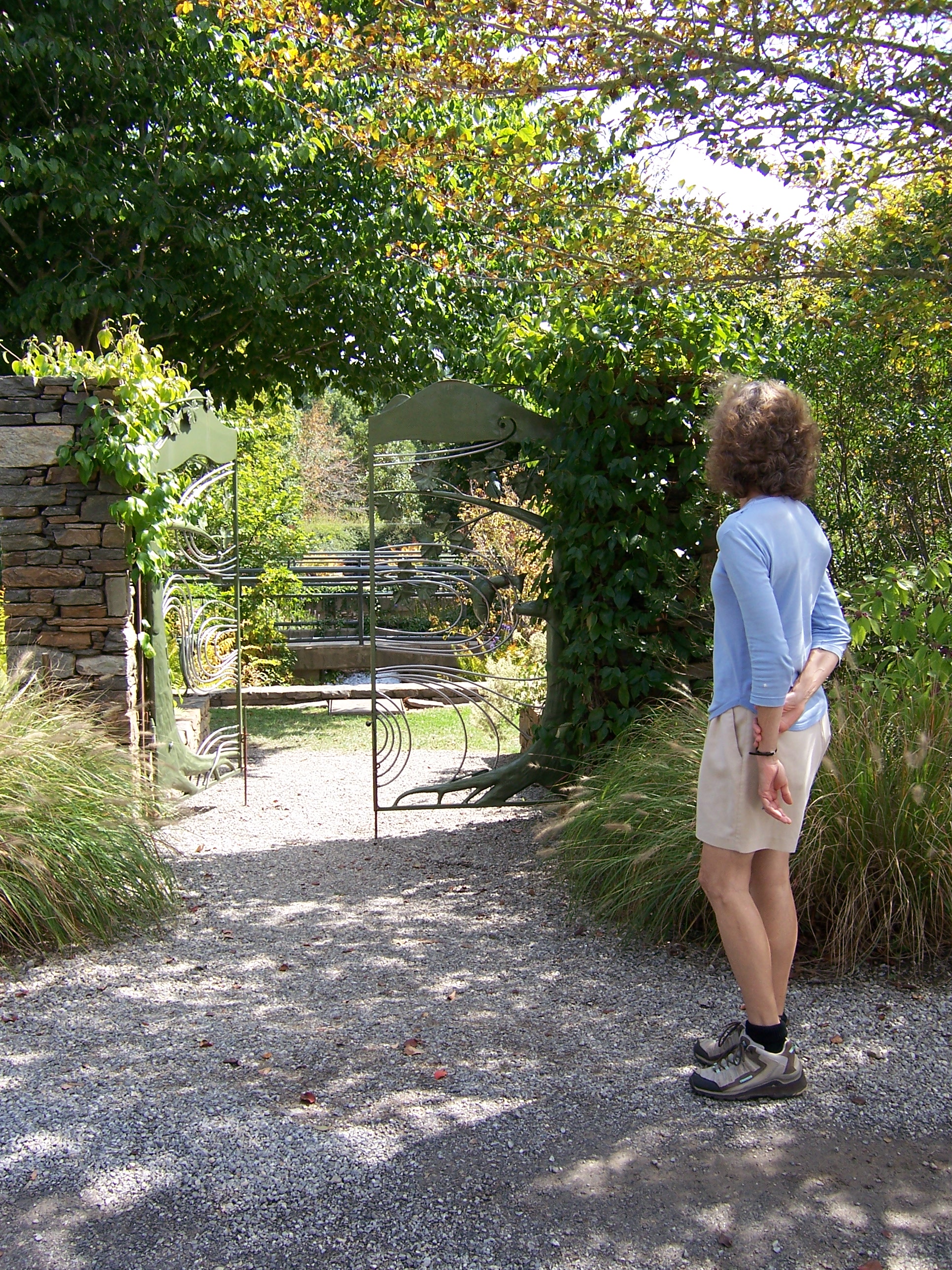
Denver 002

How often are you able to accept something you do not like, but which you cannot change?  Do you cling to your opinion regardless of its reality?  How often are you able to see things from another’s point of view?

Some would say that compromise in any form is a bad thing – like some members of the U. S. Congress.  No matter what the consequences for the people who elected them or the world economy, they only care about being right.  Needing to be right all the time is a very oppressive way to live.

Compromise Is the Basis of A Democratic Society

In a compromise, we all may get something we want, but we also accept that we may have to give up something.  It signals a willingness to keep life moving forward, to accomplish at least part of what we hoped to accomplish rather than accept a stalemate.  Compromise is the basis of working together to serve the common good.  As a humane and democratic society, I believe that serving the common good needs to be our objective because it contains an important spiritual aspect.

Carl Jung integrated psychology with spirituality

Carl Jung integrated psychology with spirituality (Photo credit: Wikipedia)

We Are All One

If we believe that we are all One, what we all need is important, and we must be conscious of the way that our actions affect others.  The energy we put out draws to us the people and situations that resonate with that energy, so if we are stuck on being right, we will draw to us others who believe they are right.  When these two groups believe they are right but are in opposition, we have a problem.

We can have a firm belief about an issue and be true to it in our hearts without forcing it on others.  For example, I’m firmly committed to eating a healthy, organic diet, primarily to avoid the diabetes that runs in my family.  This means that I don’t eat fast food or eat excessive amounts of fat or sugar.

Compromise Suggests A Sense of Fairness

There have been times when I’ve had friends who didn’t take good care of their health and who wanted to eat at restaurants where the food wasn’t healthy.  Sometimes they resented my healthier choices, but when they were willing to accommodate my needs, I tried to give them the choice to choose the movie we went to see or the event we would attend.  I tried to find a compromise that would please us both.

The reality is that when we choose a healthy or spiritual path, we will find people who resent the peace and health we have found.  We choose not to deviate from our path because the consequences can be harmful and we simply have to accept others’ condemnation.  If the compromise we make cannot offer something good for each side, it won’t be a positive compromise.

The current situation in Washington, D. C. is a perfect example.  Combining very different issues in the same bill makes no sense, and I’d love to see a law passed forbidding these kinds of bills.   Having one topic in one bill would simplify the process and make compromise more likely, and it would make  it more difficult to hold the opposition hostage.

United States Capitol Building

United States Capitol Building (Photo credit: Jack in DC)

The Challenge of Compromise in Relationships

But how often do we do this in our personal lives.  I was once in a relationship with a man who invited a woman he said he didn’t know well to live with him indefinitely until she could find a job and a place to live.  I was very uncomfortable with this.  He was lying to me about how well he knew her, but I didn’t know that until later.  I didn’t think his choice was appropriate, but he made it clear that he had promised to do this for her and it was a matter of principle to keep his word.

I pointed out that his situation had changed since he had made her that promise and being in a relationship meant he needed to make a different choice.  I suggested he limit the time she could stay or find someone else she could stay with.  He refused any compromise I suggested.  He was just as adamant about this as the people in Washington who would prefer to ruin lives rather than find a compromise.  In the end, my partner’s inability to compromise in many situations destroyed the relationship.

Open Ourselves to What Is Beneficial

In order to be willing to make changes when we are challenged with difficult situations, we must be able to see the other point of view and accept it for what it is.  Hopefully we can find some good in it so that we can find the points where we can agree and preserve our relationships for the good of all.  Letting go of the ego and looking at the situation from the heart will often bring us in alignment with that sense of Oneness, and that sense can help us let go of what is not really important and liberates us from what is not beneficial.

It is disheartening to see the condemnation that is occurring in the U.S. Congress and the way that greed and politics have infected the people we elected.  But sometimes we have to see the worst before we are willing to change our ways.  Let’s hope this is the worst we ever see, and that somehow our leaders finally remember they were not elected to be right; they were elected to serve all the people.  Keeping our egos in check tends to lead us to better choices.

How do you feel about making compromises?

© 2013 Georganne Spruce                                                     ZQT4PQ5ZN7F5

Related Articles:  Making Compromise Work BetterWhat You Should Never Compromise On While Building Your Career, 6 Steps for Resolving Conflicts 

AWAKENING TO LOVE ALL WE ARE

“The supreme happiness in life is the conviction that we are loved–loved for ourselves, or rather, loved in spite of ourselves.”  Victor Hugo

Denver 018 Do you ever feel that you aren’t loving enough?  Do you feel that you are a failure if you don’t do everything perfectly?  Do you feel that you can’t be loved for who you really are?

We all need to feel we are loved, and that we are loved despite our imperfections, but often we set standards for ourselves and others that only create more stress and problems.  At times we set goals or expectations that are impossible to meet, and when we or our friends don’t meet them, it damages our self-esteem and relationships.

Expecting Perfection Can Be Harmful

We all have ideas about the perfect relationship.  We may even have a list of requirements that a potential partner or friend must have, but inevitably, if these standards are too high, we are setting up ourselves and our partner for failure.  Ultimately what we really want is to be able to make mistakes and still be loved and respected.

Growing up, my parents had high expectations for me.  I was intelligent, so they expected me to make A’s in school, which I often did.  They also taught me to be kind and respectful to others and not to do or say things that would hurt others.  As a Southern woman, my role was to take care of others, make them feel good, and put my needs last.

There was a lot of conflict between my parents so I developed the idea that I needed to do everything perfectly to prevent any further conflict.  When I achieved what they wanted, I was rewarded with praise.  This was before the days when parents bribed their children into doing what they wanted in order to receive toys or electronics.

Setting Standards Of Perfection May Cause Illness

I felt very nervous and fearful much of the time because my parents’ conflict was disturbing to me, and sometimes I was punished for what was a fairly small thing because they were so on edge.  As a result I became a perfectionist well into adulthood.  I experienced a great deal of anxiety around trying to meet high standards in school, relationships, and in work, and with time this stress contributed to my developing Chronic Fatigue Syndrome.

When we expect too much from ourselves or others, we will inevitably be disappointed at some point.  Stress caused by any condition affects our health in a negative way, but I didn’t realize the harm I was creating for myself until I attended a clinic where every health practitioner with whom I spoke told me not to be so hard on myself.  Fortunately, they convinced me my perfectionist thinking was not healthy.

We Need To Accept Ourselves As We Are

At first, I was angry that they wanted me to lower my high standards.  I was proud of having high standards and trying to be a really good person, but I had so little energy, I had no choice but to change.  Having to limit my activity forced me to go deeper and explore why I needed to be so perfect.  The more I explored this idea, the more I realized I thought I wouldn’t be loved or liked if I didn’t meet these expectations.

As I moved from believing things had to be done in a certain way to being more open and flexible, I learned to say “no” to situations that were too stressful or not truly beneficial.  As I stopped expecting perfection from myself, I realized how difficult life could be for others and grew more empathetic.  I learned to expect less from others.  I also learned to accept my imperfections while also trying to change some things for the better without judging every step I took.

Loving Ourselves Helps Us To Love Others

I learned to love who I was—even when I was able to do little of what I wanted to do.  I learned to love myself as I was.  I knew I was doing the best I could everyday despite it being less than I had previously done.  As I recovered from the illness, I came to value well-being so much that it became my priority, not what I achieved in the eyes of the world.

Learning to love ourselves compassionately teaches us how to love others, and what we all want most is to be loved for who we really are.  As I came to love myself more, I was able to love more generously and accept others’ irritating qualities with more compassion.  I learned to love them for who they truly were.

The most wonderful love we can experience is with someone who really knows us and accepts our eccentricities and difficult aspects.  We know that we do not have to be perfect—that we can be human and make mistakes and still be loved.  It also gives us an opportunity to grow in our love, to say, “Well, I didn’t handle that well, but I can do better the next time,” and to take the time to contemplate a more effective or caring response to the problem that arose.

Love comes From Within Not From Without

I’ve met many people who do not love themselves, and in order to prove to themselves that they are loving, they exhaust themselves doing good deeds for others.  However, when we act in this manner, we aren’t acting from love; we are acting from a wounded ego.  When we do for others out of love, we do not feel we have to ignore our own needs, and we balance our time between taking care of ourselves and caring for others.

With the exception of abuse, we may grow by learning to accept aspects of our partners and friends that don’t always please us.  Of course, there are always limits to what is healthy and appropriate in a relationship, but if there truly is enough there to make the relationship good, we need to exercise the effort to accept and hopefully understand those things about our partner that irritate us and have compassion for their struggle.

Wholeness Includes Loving All Of Who We Are

In talking with friends who have been married many years, I am always impressed with how they have grown together, adjusting and changing as needed to make the relationship more workable for both.  But it is clear that the one thing that holds them together is this—they know they are each loved for who they truly are, for their best qualities and their most irritating ones.

Learning to give to others what we want in return tends to draw to us that same energy.  One of the most profound thoughts I’ve read in Oneness by Rasha is this:  “The key to the self-mastery that is so fervently sought by you who are so keenly aware of your process of evolution, is not to love yourself despite your perceived shortcomings—but rather, to love yourself because of them.  In your embracing of all that you Are…is the unconditional gift of wholeness that awaits you.”  (p. 238)

These challenges we face in relationships reveal to us aspects of ourselves we may rather not see; yet they offer us opportunities for growth and challenges in loving ourselves and others.  Let us learn to love all of who we are and share that understanding and love with others.  Only love will heal the world.

© 2013 Georganne Spruce                                                      ZQT4PQ5ZN7F5

Related Articles:  How To Love Yourself, Wayne Dyer – Looking For Love, Self-Love: A Definition

AWAKENING TO AN ADVENTUROUS LIFE

“The purpose of life is to live it, to taste experience to the utmost, to reach out eagerly and without fear for newer and richer experience.”  Eleanor Roosevelt

English: A group of drummers in Accra, Ghana, ...

English: A group of drummers in Accra, Ghana, wearing dashiki shirts and knitted kufi caps. (Photo credit: Wikipedia)

Do you often try out new activities or ideas?  Or do you feel the most content when things remain the same?  Have you ever learned anything important from doing something new?

Unlike many people who have one vocation, marriage, or passion in life, I’ve always been interested in many things.  During the time I was a dancer, I was also a teacher, receptionist, employment counselor, and lawyer’s assistant, doing whatever I needed to do to pay the rent.  Of course, teaching has been my primary profession, but I taught English, dance, drama, and exceptional children.

Curiosity Can Motivate Exploration

After being somewhat of a recluse as a child because of illnesses, as an adult I was always hungry for new experiences.  After I started to really explore life, I couldn’t stop.  Each experience created a curiosity that motivated me to try something else that was new.  At times, I was fearful, but I chose not to let that stop me.  As a result, I have had a full and rich life.

2011 002

When we open our minds, many new opportunities present themselves.  We can expand our lives simply by being present in these situations.  Do we take the time to listen when someone expresses an idea with which we disagree?  It’s possible that understanding that person’s beliefs may expand our thinking so that we are better able to understand people who don’t share our beliefs.

Release Fear of Differences

Many of us are afraid of people who are different from us.  This cultural disconnect creates many problems that don’t need to exist.  If we could put aside our fear of what is different and embrace what is similar among us, we could create bridges instead of wars.

Experiencing Other Cultures Expands Our Understanding

In 1994, I was privileged to travel and study in West Africa.  It was one of the richest experiences of my life because, for a time, I was immersed in a culture very different from the one where I grew up.  It touched me deeply because I saw that it was possible to live a life where art and spirituality were integrated into daily life and where family was of supreme importance.  I also saw the ways that stereotypes disregarded the depth and beauty of the people whose lives were rich in ways many westerners’ lives were not.

On the daily level, the trip also taught me to appreciate the regularity with which my phone worked, hot water always flowed from the faucet, and a prescription was filled from a pharmacy whenever I needed it.  These were not sure things in Africa.  But most of all, the trip taught me not to accept others’ concepts of people or ideas without doing my own research.

 New Experiences Can Deepen Our Spiritual Lives

New Orleans Mardi Gras Indian

New Orleans Mardi Gras Indian (Photo credit: Wikipedia)

Because I lived in New Orleans when I traveled to Africa, learning about the historical origins of the city helped me value aspects of the culture I had not appreciated before, such as the origins of Voodoo as a religion, the call and response aspect of Mardi Gras Indian music, and the source of many New Orleans dishes.

My way of dealing with life changed after this trip.  I explored my spiritual beliefs more deeply and worked to integrate them into my daily life, believing that this would be a path to greater wholeness, and it was.

Adventures Broaden Our Understanding

When we see life as an adventure, we welcome what is unknown or unfamiliar.  Adventure is about going where we have never gone before.  (Yes, I was a “Star Trek” fan.)  I loved where I grew up in the hills of Arkansas, but when we moved to Tulsa, I learned about the Cherokee’s Trail of Tears and the plight of Native Americans elsewhere.  When we moved to Memphis in the early 1960s, I experienced the civil rights movement. In every place I lived, I learned and grew in significant ways because each place was different.

The Inner Journey Is As Important As the Outer Journey

When I hear people say they’re bored, I’m always puzzled.  There are so many things we can do to make life interesting if we are willing to make the effort.  Are we willing to take on this responsibility?  There are books to read, movies to see, and conversations to initiate.  And in this culture, we often think we have to do something all the time.  Perhaps we need to learn that just being may be the most interesting thing we can do.

It is not just the outer adventure that can excite us, but the inner one as well.  What led me to a point where I felt my life and spirituality were integrated and I felt whole was a spiritual journey where I explored several spiritual practices and stayed open to see whatever showed up as a possible teacher.  The journey inward has been as rich and expansive as the outer one.

Adventures Expand Our Human Awareness

Adventures are what we make them.  To one person, eating Indian food may be an adventure.  To another, living in India is an adventure.  But what they all have in common is our willingness to try something new, to open a door that wasn’t open before, and peek in or step into a new experience.  Even if it isn’t a particularly pleasant experience, we learn something we didn’t know before and that expands our lives because that’s why we’re here—to learn all we can about being human.

© 2013 Georganne Spruce                         ZQT4PQ5ZN7F5

Related Articles: Re-awakening Joy, Trying New Things, 7 Benefits of Being Open-Minded

AWAKENING TO SHARE HAPPINESS

“Thousands of candles can be lighted from a single candle, and the life of the candle will not be shortened.  Happiness never decreases by being shared.”  Buddha

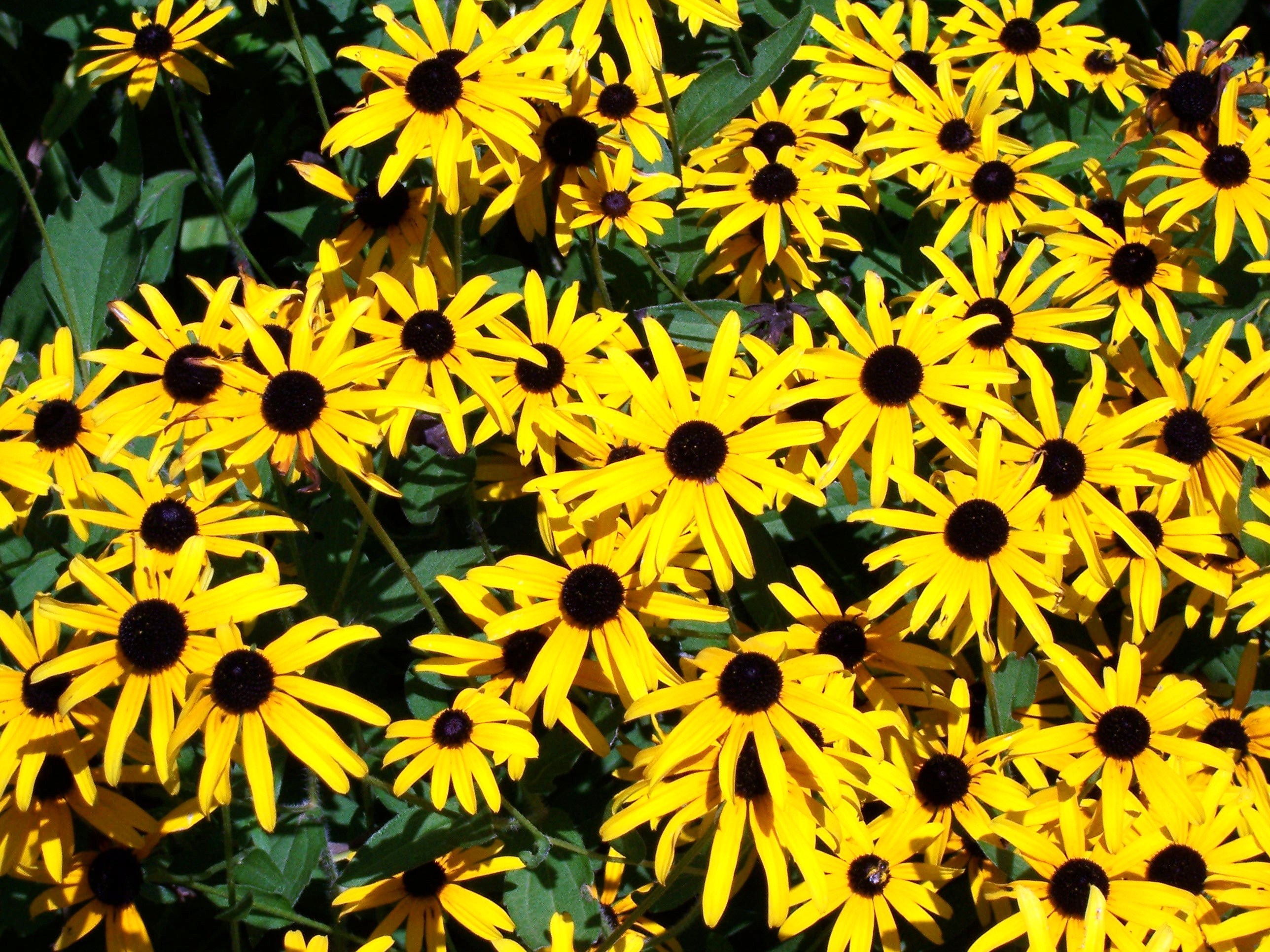
Flowers 033

How often are you happy?  Do you feel you have any control over your moods?  What do you do to lift your mood when you are down?”

We Are Drawn To Happy People

Yesterday was a happy day for me.  A close friend who was traveling all summer returned, and we took a walk through the botanical gardens where the Black-Eyed Susans were overly abundant and the Joe Pye Weed towered beautifully above us.  As we began our walk, a man who works there approached us and began sharing stories about the effect of the intense rain on nature, why the butterflies were late, and how happy he was that they finally appeared.

English: Joe Pye Weed

English: Joe Pye Weed (Photo credit: Wikipedia)

We’ve talked with this man before and learned fascinating details about the plants, but what always strikes me about him is how happy and enthusiastic he is about his work.  His energy lifts me, and I feel happy to know that someone is taking such good care of this beautiful garden that I love so much.  Clearly he is following his passion.

Recently, I talked with another man, Charles Davidson, who is following his passion to create a website, Life Turnings, about spirituality and the healing arts. His excitement about the people he can reach, the conversations the blog will stimulate, and the opportunity to increase awareness on a variety of issues is contagious.  I was impressed with what he hopes to accomplish, so when he asked me to write for the site, I agreed.  My first piece, a blog I had written previously for this site, is featured on the home page under a beautiful picture of Fuchsias.  I hope you will visit Life Turnings.

DSC03133

Photo: Charles Davidson

Our Positive Or Negative Energy Affects Others

When we encounter people who are happy, their energy is expansive and uplifts us if we are open to sharing their experience.  Although we think of being empathetic when someone is unhappy so that we can understand and offer them support, we are also empathetic when we share another person’s happiness and support their positive experiences too.  As we connect with their light, our light expands.

Have you ever rushed up to a friend or family member with what you considered wonderful news only to have them put you down with their negative response?  Their negative energy depletes your energy even if you don’t think their comment is valid.  When this pattern is repeated over and over in a family where approval is so important, it may over time teach a child that it is not acceptable to express happiness.  Sadly, I once knew a person who had been taught that no strong emotion, even happiness, should ever be expressed.

Positive Attitudes Create More Positive Energy

If another’s expression of negative energy can diminish our energetic vibration, then the expression of positive energy can increase it. But how can we create more positive energy?  Self-awareness is the key.  What makes us feel good?  What thoughts, friends, activities, or food bring us joy and are good for us?  We have to pay attention to our reactions to situations and ask, “How can I best respond to this situation or solve this problem so there is a positive outcome for all concerned?”  We must learn to be the light in the difficult situations that confront us.

We must be willing to learn and grow.  In our society, we are much too quick to choose what appears to be the easy way out of difficulties.  This often leads to addiction because we’d rather pop a pill than find the root of the problem which could cause us even more pain—except the pill won’t help us find a solution.  We must be willing to learn practices, read books, and take workshops that will help us become more aware of how to face life feeling confident that we can deal in a healthy way with our challenges and maintain a connection to happiness.

Release the Fear That Blocks Us

Negative feelings are always based on fear, and we can learn to direct our minds to release the fear we feel about a situation.  When we let go of the fear, it is easier to see real solutions to the problem and follow our inner guidance.  Fear often causes us to assume problems can’t be solved so we give up.  Assuming they can be solved usually motivates us to search more diligently for a solution.

Seeing the Positive Uplifts Us

We can also choose to focus on what is positive and consciously look for positive ideas and events that will lift the vibration of our energy.  For example, we have had excessive rain where I live, and the dark, dreary days can easily drag me down.  On rainy days, I look out at my deck where the flowers are blooming profusely, and I’m grateful I’ve hardly had to water them at all this summer.  I’ve enjoyed their beauty at no expense.  The grass in my yard, which was sparse for many years, is now lush and green.  When I hike in the mountains, I’m surrounded by abundant shade and more wild flowers than I’ve seen in years.  I can focus on enjoying the beauty created by the rain or I can make myself and others miserable over the weather, an element I cannot control.

By taking responsibility for creating happiness in our lives and sharing it with others, we contribute to the well-being of all those around.  Our positive energy can draw to us those with a similar energy and expand the happiness we experience.  It can also help heal those who are struggling with life.  How often has a smile brightened your day?  You can be the candle that lights the world.

© 2013 Georganne Spruce                                                  ZQT4PQ5ZN7F5

What makes you happy today?  Please comment.

Related Articles:  Higher Vibrations in 10 Minutes (Abraham/Hicks video), What is Energy: 8 ways to Find Your Happiness, Health and Happiness

AWAKENING TO OUR RESPONSES

“Peace is not the absence of conflict but the presence of creative alternatives for responding to conflict – alternatives to passive or aggressive responses, alternatives to violence.”  Dorothy Thompson

2013 006

How do you respond to situations that don’t please you?  Do you usually become angry or walk away when conflict arises?  What response to conflict works best for you?

We Can Choose Our Responses To Conflict

Most of our lives are full of challenges that require or stimulate some kind of response.  How we respond to the situations that upset us often determines the outcome of these situations.  When we can respond peacefully or do not react without thinking first, we tend to have a more successful outcome without creating more conflict.  But when we immediately react to what we don’t like with anger, we are almost sure to receive the same response.

When I taught in high school, managing conflict among students or their responses to me was a daily occurrence.  If a conflict was serious enough, I could send the students to a counselor, but if the conflict was with me, I needed to solve the problem.  There were always students who refused to get quiet and go to work.  Some were disturbed about something that had happened in their lives; others were testing their boundaries with authority.  Just asking them to settle down didn’t work.

What proved to be successful in most situations was for me to ask the student to step outside the classroom door where he could not see the other students and they could not see him, but where I could see both.  Quietly, I would ask the student if he were upset about something and needed to talk about it.  The answer was usually “no.”  Then I would explain why his behavior was a problem and give him a choice.  He could return to the room, not bother other students, and do his work or I would send him to an administrator.   Ninety percent of the time, the student chose to return to the classroom and do his work.

We Can Create Peace By Listening

We always have a choice when conflict arises.  If we take the time to think creatively, we can resolve our differences peacefully.  Sometimes the person who is upset simply needs someone to listen to her and by expressing what she is feeling to a witness, she is able to release the anxiety or anger.  We can connect in a loving way by saying, “I can see you are upset.  What is really bothering you?  Do you want to talk about it?”

Letting Go May Be the Best Solution

But there are also times when we cannot resolve a conflict.  When we have tried and the other person refuses to participate in solving the problem, we may need to simply let it go.  We can only take care of ourselves; we cannot force another person to do anything.  The inability to work together to solve personal problems is a common reason for divorce.  It takes both partners to solve the conflict.

There are also times when the anger that arises in a conflict becomes abusive verbally or physically.  At this point, the best alternative is to walk away.  People who habitually respond to conflict in an abusive way need professional help.  We cannot change them – only they can choose to change.

Art Is A Peaceful Response To Conflict

In today’s world, we are all surrounded by violence, and while we can work with organizations that attempt to prevent it or become politically involved and protest what we are against, there is still another way to respond that touches me deeply.  That is the response of the artist who in his/her work reveals deep truths through non-verbal media.  Nick Cave’s exhibit at the Denver Art Museum last month was an excellent example.

English: Nick Cave

English: Nick Cave (Photo credit: Wikipedia)

Nick Cave, an African-American artist responded to the violent beating of Rodney King in 1992 by creating art that explored the issues faced by an African-American man.  He began to create “Soundsuits,” suits made from found objects that made sounds and could be worn by people as they moved or danced.  (Cave was an Alvin Ailey-trained dancer)(see video below)

After he created the first one, he was surprised.  “Once I stepped into it I thought about building this sort of second skin, you know, a suit of armor, something for protection purposes.  Then I started thinking about protest.  In order to be heard you’ve got to be aggressive, you’ve got to speak louder.  He then decided to call it the “Soundsuit.”

Camouflaging Our Real Identity Causes Conflict

Looking at Cave’s “Soundsuits”, I experienced a range of emotion from awe to fear. I thought of all the ways we camouflage who we are behind masks of clothing, speech, and mannerisms.  As a woman growing up in the South, I was taught not to say negative things or create conflict.  For many years, as I learned to express my true feelings in situations, I felt guilty when I did find the courage to express ideas that others might not want to hear, particularly men.  I knew what it was like to live behind a protective identity.

Processing Our Intense Emotions

Processing our thoughts through any artistic expression or journaling, as I often do, may help us to alleviate the intensity of the negative emotions we want to express but which will create conflict.  Having some way to process them allows us to take the time to understand what we do need to express and how we can do it so that it will be heard.

You don’t have to be an artist to find creative responses to conflict.  Just stopping long enough to take a deep breath does wonders. You do have to be aware that it is your ego that is so attached to the fight and always wants to be right.  When we let go of our ego attachment to the situation, we are more able to see the spiritual elements in the conflict and hopefully find spiritual solutions that will serve everyone well. As Wayne Dyer says, “Conflict cannot survive without your participation.

© 2013 Georganne Spruce                                                                ZQT4PQ5ZN7F5

Related Articles: Nick Cave Brings ‘Bigger Than Life’ Soundsuits to Salem (Video), Nick Cave “Sojourn” Exhibit at Denver Art Museum Explores the Sensory with Flea Market Items, Nick Cave Soundsuits ( video PBS)Conflict Resolution Skills, 14 Ways to Resolve Conflicts and Solve Relationship Problems

DANCING TO CHALLENGING EXPERIENCES

“Experience is not what happens to a man (or woman); it is what a man (or woman) does with what happens to him (or her).”  Aldous Huxley

Denver 006

Do you enjoy having new experiences?  Have you had any unpleasant experiences lately that taught you something you needed to learn?  Can you see any experience as a door to deeper understanding? 

Last week I traveled to Denver where I had lived in the 1980’s.  Needless to say, it is huge compared to the Denver I knew, the one with only three skyscrapers, the one without a huge botanic garden, the one where trees did not completely overshadow my apartment building.

What I remember the most about the time I lived in Denver was that I found a spiritual path that has served me well, one that does not keep me attached to one set of ideas, but one which has taught me to trust all possibilities and be open to new experiences.

Enjoying New Experiences

I had several new experiences on this trip:  deep meaningful conversations with new friends, a wonderful day in the Denver Botanic Gardens, the exposure to “Soundsuits” created by Nick Cave in an exhibit at the Denver Art Museum, a trip to Vail through the magnificent and enormous Rocky Mountains, and four dry days of beautiful sunshine—something we haven’t seen in Asheville in months.  I felt I was dancing with delight all week.

Denver 001

Despite this philosophy at the core of my life of being open to new experiences, I like the comfort of routine:  regular meals with healthy, organic food, a similar bedtime each night and a good eight hours of sleep, and some meditation time.  For the most part, these comforts were easily integrated within the vacation time because my friend and I were staying with very accommodating friends.

Events Are Spiritually Challenging When Unexpected

However, our actual trips to and from Denver were the most irritating experiences I’ve had in years like the early days of learning to dance when every step was stumbling and awkward and rarely flowed with grace.  These red-eye flights left very late in the evening around 12:00 or 1:00 am and took me way beyond my comfort zone.  They totally disrupted my eating and sleeping routines.  The trip to Denver included the flight to our major airport being cancelled close to the time we planned to leave for the local airport, so we had to drive for two hours to get the flight which was then delayed for an hour.  We had been unable to choose our own seats and the ones assigned to us were the last seats which do not tip back.  The last time I had been forced to sit in such seats, I deplaned with serious back pain.  In this case, there were no pillows available to support my back and no extra seat to which I could move.   In addition, when we tried to relax and sleep as most people around us were trying to do, a stewardess behind us chattered loudly and incessantly.

So, what was I to do with this?  It was impossible to relax physically.  This was a three hour flight.  I was accepting of the need to drive rather than fly to our major connective city.  I was relatively patient when the flight was delayed.  But by the time we boarded the plane, I was feeling that this was too much, and my patience had run out.  I felt frustrated and angry at everyone who had contributed to this problem.  All I wanted was to go to sleep, but this was impossible because of the discomfort.  I hate to admit it, but I think I snapped and glared a lot.

Frustration Is the Result of Not Letting Go of Expectations

But what upset me the most about this experience was that I was unable to reach a place of peace that would have allowed me to accept the situation, go within and let go of my attachment to the discomfort.  I have done this in other situations.  Why not this one?  Probably because of my expectations.

My expectations were that I would have a comfortable seat where I could lean back and sleep.  I thought I would have a pillow available.  I didn’t realize they were no longer available except in first class.  If I couldn’t sleep, I thought I would just read, but I was so upset, I couldn’t focus on reading.  Most of all, I hated being in an environment where I had no control over my personal physical comfort, and I was unable to adjust my mind to accommodate the reality.  I was stuck mentally, unable to take the next step.

Fortunately, I was able to let go of my frustration about the trip as soon as I arrived in Denver.  I was so grateful to be able to sleep on a comfortable bed and immediately plunged into the joy of being there.  By the time we left for home at the end of our visit, my friend and I knew what to expect.  Although the trip home was also in the middle of the night, our plane left on time.  This time I had no expectations and was able to be in the moment each step of the way.

Releasing Expectations Creates Inner Peace

There were still no pillows available, but the seat back tilted a little.  I took a lot of deep breaths, reminded myself to be patient, read a little, did something close to meditation, and reflected on how grateful I was to be traveling with a dear friend, to have had a few days of sunshine, and enjoy the wonderful uplifting energy of a city where my life had been transformed.  Although I was still physically uncomfortable, I was able to be in the moment more.

Would I choose to take another red-eye flight?  Probably not, but if I did, I’d emulate some of the smart teenagers I saw traveling.  They brought their own pillows and sometimes a blanket, curled up in their window seats, and slept like babies.

Choose the Dance of Peace

It’s all about how we deal with the challenges because they won’t stop appearing in our lives, but we can use them to grow and expand our practice of our spiritual principles.  We can always choose the dance of peace.

How do you deal with uncomfortable situations you can’t change?  Please comment.

© 2013 Georganne Spruce                                                  ZQT4PQ5ZN7F5

Related Articles:  Nick Cave’s Art (scroll down and watch the first video), Why You Aren’t At Peace Right Now – Eckhart Tolle,    Eckhart Tolle – From Beng Upset to Being Peace (video)

AWAKENING TO SEE THE BEAUTY OF LIFE AGAIN

i‘m taking my own advice today and reblogging.  I will have a new post and new photos next week.  Namaste

“We can only be said to be alive in those moments when our hearts are conscious of our treasures.”  Thornton Wilder

Do you often feel overwhelmed by what you need to do?  Do you run your life or does your life run you?  Are you giving attention to those people or activities you most value?

Nature Enriches Our Spirits

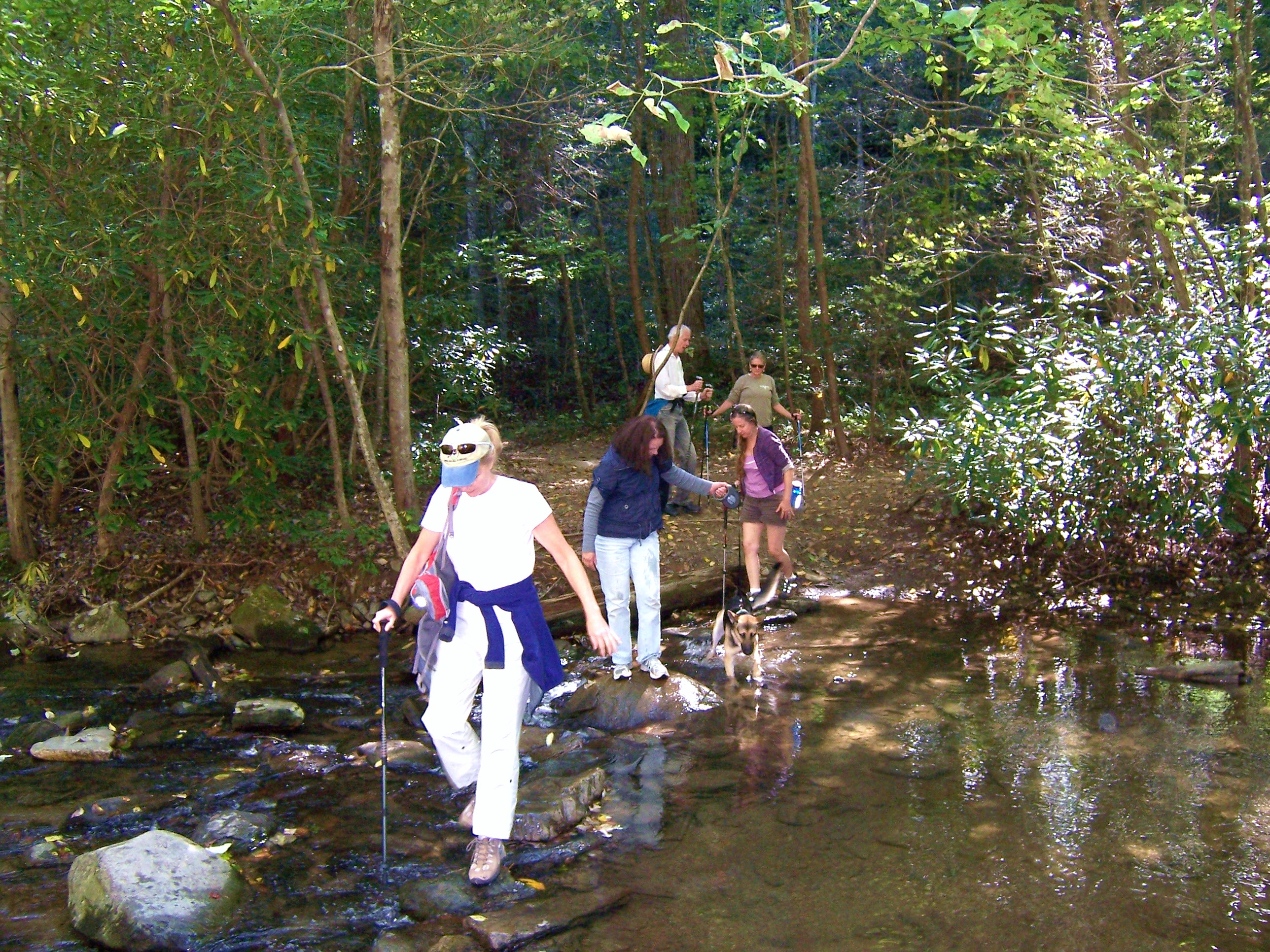
I try to schedule a hike once a week during the summer because I feel such a strong need to be out in nature.  It calms and connects me with Spirit in a deep way.  It’s also a great way to connect with people who also love nature, and since my main hiking buddy was away most of the summer, I enjoyed meeting more hikers.

It’s taken a while to find the right group.  When I first moved to the mountains, the first group I hiked with used hiking as an aerobic activity and went so fast it was impossible to enjoy the scenery and plant life.  Another group only went on lengthy, challenging hikes.  Finally I found a group that fit my needs, but these hikers also move too fast for me at times.

When I hike, I want to be able to see what is along the trail:  the flowers, mushrooms, moss, knarled branches, bright leaves, and small crawling creatures (as long as they don’t rattle).  I want to be engaged with what is around me:  feel the moisture, smell the scents, examine the textures.  The stimulation of hiking through such an extremely bio-diverse area can be intoxicating.  I love getting drunk on its beauty.

Missing Pleasure Through Haste

Soren Kierkegaard said, “Most people pursue pleasure with such breathless haste they hurry right past it.”  Have you ever been walking briskly past an art gallery or clothing store, saw a flash of something colorful, but you were half a block away before you could stop yourself to go back and see what it was that you only partly saw?  Think about how much time we could save if we would slow down and see what was before us without having to backtrack.

In our society, it isn’t just the speed with which we pursue pleasure that limits the pleasure in our lives; it’s the speed with which we do everything.  In many instances, we have committed to more than we can handle well.  We want to please everyone, help everyone, experience everything, and on top of that, time is literally speeding up.  We are now experiencing in one year what we used to experience in five years.  We think the solution to this problem is to hurry more.  It isn’t.

The Pleasure of Being in the Moment

How would we feel if we each took fifteen minutes a day to immerse ourselves in something we found truly pleasurable?  What if we took the time to really touch our partners fully aware of that touch?  What if we focused on the pleasurable taste, color and texture of each bite we eat?   What if, instead of rushing through the book we’re reading, we let ourselves merge with the delicious cadence and imagery of the words?

Rushing all the time doesn’t feel like living to me, and I’m not alone because several friends have made the same comment lately—they just need more time to be and less time to do.  It’s pretty clear that Spirit is trying to teach me how to do this because invariably when I start whizzing around the house at a high speed, I always trip over a chair, stab my thigh on the corner of a table, or spill a pitcher of water.  If I don’t have sense enough to slow down, life will do it for me.

Finding Spiritual Treasures in Our Hearts

To become more conscious, we need to notice when we feel stressed, angry, overwhelmed, or exhausted.  We need to simply stop, take a breath, go to our heart centers and feel who we are.  We need to look around us for the beauty we may have missed.  What’s more important, seeing your child’s smile or cleaning the house?  When we move too fast all the time, we become insensitive.  Anything that gets in the way of our getting the “work” done gets pushed aside, and if that includes people we love, that’s a tragedy.

As Thornton Wilder reminds us, we aren’t really alive unless, at the heart level, we are conscious of our “treasures.”  We have to pay attention and strip away the distractions.  It means we have to leave the party or race track, stop using the alcohol and drugs to give us the high our pleasure-loving selves pursue, and get in touch with what is deep and worthwhile where the deepest pleasures of love, peace and joy reside.  It means we have to give up our obsession with achievement, our need to always be right, and our desire to please everyone.  We have to take time to find our centers, linger in the heart to see what our real treasure is, and prioritize our lives so we have the time to see what really matters.

© 2012 Georganne Spruce                                                                   ZQT4PQ5ZN7F5

Related Articles:  Wake Up, and You Can Help the World AwakenAwakening the Mysterious Feminine Goddess, How can I Be In the Present Moment – Eckhart Tolle  (video)

AWAKENING TO DEEPER NEEDS

“What is a weed?  A plant whose virtues have never been discovered.”  Ralph Waldo Emerson

2012 004

 Do you feel that others see your virtues and value them?  Do you know people whom you feel are wasting their lives?  Have you seen anyone transform from a weed to a beautiful plant?

Last night I watched a movie, Freedom Writers, which came out several years ago.  It’s the story of a first year teacher who takes a job in an inner city Los Angeles school teaching the students others have decided can’t learn.  Her students are the “weeds” growing in that garden.  They’re minorities and members of various gangs, and having them in the same classroom creates a potentially volatile situation.

Cover of "Freedom Writers (Full Screen Ed...

Cover of Freedom Writers (Full Screen Edition)

We Are More Alike Than Different

Other members of the faculty see these students as weeds that need to be plucked and discarded.  They have been integrated into the school and “ruined” it.  But the new teacher just sees them as kids she can teach and even when her first approach doesn’t work, she tries something new.  Then one day, she plays a game.  She tapes a line down the center of the room, and she asks a series of questions, such as “How many of you have lost a friend to gang violence?”  If they can answer yes, they step onto the line.  By the end of the exercise, they can see that they have more significant events in common than the differences that have made them enemies.

As the year goes on, the teacher exposes them to more experiences that show them they are of value as human beings and that what connects them is greater than what separates them.  They begin to bond as a group, they do their homework, they become engaged with learning, and they blossom as they discover their own virtues.

The “Weeds” of Our Society Need Us To Respect Their Virtues

Having taught high school in inner city New Orleans and in towns near Albuquerque, I worked with minority students in environments that did not encourage their growth or success.  I’ll never know how much difference I made except in a few cases, and I certainly never created a transformation like the one in the movie, but I do know this.  The “weeds” of this world are just waiting to blossom, and they need to be fed with respect, love, and kindness.  They need someone in their lives who can look deeper, see their virtues and help them develop their strengths.

There Is Always Inner Beauty Within Those Who Are Challenged

But the kids who need help don’t always come from the inner city or poverty.  There are young people from the middle class and wealthy families who lose their way.  I know one who became involved with drugs in an attempt to self-medicate an undiagnosed medical condition.  The addiction lasted years despite having parents who loved him and had the resources to get him help.  He was talented, intelligent, and yet….

Celebrating Survival and Growth

I don’t know what haunted him so much, but we all loved him.  This past week, when he married a wonderful young woman and the mother of his child, we celebrated much more than a wedding, for many of us feared he would be dead long before now.  So, we celebrated his survival and the blossoming of a new life.   We all had seen his virtues long ago.  It just took him much longer to discover and develop the best of who he is.  He is learning how to go deeper and live his life from a spiritual base.  And he is an inspiration to others who have despaired.

Self Love Is the Basis of Empowerment

One reason this young man survived is because he had many loving people who supported him, but too many young people don’t.  Many have parents who don’t parent, who are addicts themselves or who don’t know how to nurture because they have never been nurtured.  As a society, we need to remember that all human beings have value.  One of the most profound questions facing us is how do we transform our systems, health, prison, and educational, so that they heal and empower people, especially young people, to learn to love and value themselves, for self love is the basis of empowerment.  It is hard to love oneself when those around us see us as “weeds.”

We Must Be Able to Imagine a New Life

Napoleon Hill offers a wise approach to transformation when he says, “First comes thought; then organization of that thought into ideas and plans; then transformation of those plans into reality.  The beginning, you will observe, is in your imagination.”  But if you don’t feel you are worthwhile, you will not dare to imagine you can accomplish what you desire.

Imagine

Imagine (Photo credit: Javier Q.)

Education Must Teach How to Creative Thinking

So many young people do not know where to begin, and if their desires don’t fit with family values or society’s values, but yet are worthwhile, they face a dilemma.  They don’t know how to fill their needs.  That is why our educational system needs to be revised to teach young people how to think because it is their thinking that will allow them to create plans that can transform dreams into reality.  Most importantly, we need to move beyond just valuing logical thinking and become more creative with our thinking so that all possibilities to meet our deeper needs can be considered.

Imagine What You Desire

Imagine how wonderful life would be if we could all imagine being the people we truly wish to be and have the courage and strength to become that person.  May you find the path that will lead you to fulfill your deepest needs.

© 2013 Georganne Spruce                                                       ZQT4PQ5ZN7F5

Related Articles:  Freedom Writer’s Foundation, Napoleon Hill: Think and Grow Rich (video), A Thin Line Between Silence and Voice, Today’s Schools Lack Creative Teaching and Learning, Study Says

AWAKENING TO THE HEALING DANCE AGAIN

Technology continues to be a challenge.  I apologize to my subscribers because they didn’t receive the blog post last week because I didn’t reblog correctly.  So, I’m adding another blog on healing first.  If you missed last week, please scroll to the second post and read it first.  Peace, Love, and Joy to you all, Georganne

“There is no coming to consciousness without pain.  People will do anything, no matter how absurd, in order to avoid facing their own soul.  One does not become enlightened by imagining figures of light, but by making the darkness conscious.”  Carl Jung

How willing are you to be aware of your emotional pain?  Do you use pleasant experiences or material things to make you feel better or deaden the pain?  Do you have the courage to face and heal the deeper truth?

In the first blog of this series, I wrote about how our wounds often lead us to see what needs to be healed in our lives.  Although we see them as part of our emotional darkness, they are gifts.  In the second part of the series, I pointed out that we all need love in our lives and that it may come from many sources if we are open to seeing it.  Today, I want to write about the importance of letting go of our attachment to the pain we experience.

Fear of Letting go of Pain

Years ago, after a painful divorce, I began seeing a therapist to help me deal with the deep betrayal of my husband.  At the time, I was teaching modern dance and dancing with a company and choreographing.  As the therapy progressed, I began to feel better about myself and spent less time overwhelmed by negative emotions, but one day I became very upset during a session.

“Sometimes I’m afraid that getting ‘well’ will destroy my creativity. It’s changing something in me, and I don’t feel I need to create so much. I feel like I’m losing my creative edge.”

“How is it doing that?” my therapist asked.

“Because it’s the inner turmoil that makes me want to create. If I get well, I’ll have no reason to create!”

“What if being healthy makes you more creative?”

I only shrugged, but as I thought about this, I was unable to imagine how that could be so.

(Excerpted from Awakening to the Dance: A Journey to Wholeness)

Why We Won’t Let Go

We all have belief systems that keep us trapped in unhealthy places.  That’s why many people refuse to get help for their problems.  They’re afraid to discover what lies in their darkness or are so insecure that they cannot handle the idea that they have done something wrong or are not all right.  My mother is a good example.  She could not let go of the idea that she wasn’t a good Christian if she loved herself.  Her entire sense of worth was based on what she did for others.  She was a loving person in many ways, but very unhappy and took care of herself only so she wouldn’t burden others.

Sometimes, though, we take the risk, and in our process of changing, we begin to feel better and hit another layer of fear that limits our consciousness.  We may cling to our negative feelings simply because they are so familiar, just as we cling to negative relationships because they are known and nothing scares us like the unknown. Letting go of these attachments is often a big step.

Becoming Conscious of Our Shadow

Fortunately, though, after my divorce, I liked feeling better more than being in pain and decided that my ideas for dances could come from many sources, even the past negative feelings, for I could remember them, even if I no longer felt them.  I filed them away as I would any reference material and took responsibility for making myself happier.

Through therapy and through reading and attending workshops as a member of the Carl Jung Society in New Orleans for ten years, I learned to understand my difficulties and how to resolve them.  I learned about the value of what Jung calls, “the Shadow.”  It is that dark part of ourselves that we don’t want to see, but the less conscious we are of it, the more it harms us.  Becoming enlightened or conscious requires that we examine and heal it, for when we become conscious of the thoughts or experiences that have caused our pain, we can heal them, then let go and move on.

All Spiritual Healing Requires the Journey Inward

This spiritual journey inward may seem eccentric to some people who have bought into our materialistic society.  Eventually, the materialism fails to solve the problems.  The drugs that seemed to make us feel better become a destructive addiction.  All of the “cures” for our pain only create an illusion of temporary healing.  The only true healing takes place when we go within, and that is often true of physical, as well as emotional pain.  We have to bring it to the surface, heal it, and let it go.

We can free ourselves only when we become conscious.  No one I’ve read has written more clearly about our pain than Eckhart Tolle in A New Earth: Awakening to Your Life’s Purpose in his discussion of the “pain body” and how to heal it.  I highly recommend this book. (See Links I Like at the side bar)

What pain have you healed recently? Please comment.

© 2012 Georganne Spruce

Related Articles:  Eckhart Tolle Releasing the Pain Body (video), Carl Jung’s Concept of the Shadow (related to life), Overcome Your Emotional Roadblocks

Last Week’s Blog

Many healing issues have arisen in my life lately, so I intended to write about healing today.  I know several people dealing with cancer and others dealing with emotional issues.  But when I looked at a series I wrote on this topic last year, I realized I would just repeat what I’d already said.  So, I’m reblogging the posts that seem most relevant.  I hope they will be helpful.  Namaste. 

“The wound is the place where the light enters you.”      Rumi

How tall are the walls you build around yourself? Why do you need so much protection? What will it take to heal your wounds?

It was freezing last night and my bedroom was still cold when I awoke. All I wanted to do was snuggle further into bed, hide out in my pleasant dreams and the warmth.  But after briefly indulging my desires, I climbed out of bed, and walking into the center of my house, I was warmed by the brilliant, morning light spilling through the windows.

When life is rough, it is natural to want to hide out, build protective walls, and ignore the source of our pain; yet, if we do that for too long, it can become a dark cave from which we may never emerge.  We learn to lie brilliantly to ourselves.  We evade capture.  And we become hard and defensive around the edges, so that the one thing that can heal us is unable to penetrate.  Even the light needs a chink to pass through.

Wounds Are Valuable Assets

How do you deal with your most painful wounds? Do you build walls to protect yourself or do you see the pain as a sign something needs to be healed?  Our wounds are some of our most valuable assets.  They are the portals through which we can heal the pain that stops us from living our lives fully.  We have to learn to dance with them in the dark so that we can dance with them in the light.

Have you ever had the experience that, when a small conflict arises, you suddenly explode or react in some way that is inappropriate to the situation?  This is always a sign that a deeper issue has been triggered.  It is usually a sign that, deep within us, there are unhealed, deep wounds struggling to reach the light. So, what can we do to heal these wounds?

How To Heal Your Emotional Wounds

Being present is the key.  Has this happened before?  When did it begin?  What was the source of the original pain? There is always fear present with emotional pain, so I try to identify my pain so I can focus on it.  Am I afraid I’m not loved?  Am I afraid of losing someone or something I value?  Am I afraid of being harmed?  Regardless of how you identify the fear or don’t, the first step is to release it.

Releasing Your Fear

I take a deep breath, and as I exhale, I feel and/or visualize this fear leaving my body.  I repeat this process until I do feel the fear released, then sit a moment with the peaceful quiet that appears after the release.  Without the fear blocking my mind, I ask that this emotional pain be healed permanently, knowing that my wish will be granted.

Being Patient With the Process

The next step requires the most patience.  The pain may be healed immediately.  More than likely, though, I will be drawn to those experiences that will guide me through healing myself, and that is very empowering.  Healing may come in many forms:  a book, a person, a workshop, or technique.  Over the years, I have found valuable guidance for healing in therapy, spiritual practices, support groups, healing techniques like Emotional Freedom Technique, affirmations, numerology, astrology, Medicine Wheel cards, and simple conversations with friends. If I’m drawn to it, I dance with it, and in dancing with it, I may be healed.

How Did You Help Create This Wound

This deep pain is the kind we don’t want to return, so it is also wise to become aware of the role we played in creating the pain. The answers are always within us. That is why it is important to be receptive, but not passive.  We need to ask, “What did I do to help trigger this?  What was my role?”  Unless we can see the patterns in our behavior, we will repeat them.  It is in this step of the healing process that therapy is most valuable.  Therapists cannot change you, but they can help you understand your behavior and others.  Only you can make the change once you understand what you need to do.  Awareness is the key.

It is not always possible to identify our role in creating the pain, for sometimes it is the result of karma from past lives or that we are in a situation in order to learn a lesson.  Still, as frightening as it is, we must be willing to be vulnerable—to let the light shine through our journey to understand how to dance the healing dance, the one that we choreograph for our own healing.  Love the wound, then let it go.

What techniques have worked well for you in healing emotional pain? Please comment.

© 2012 Georganne Spruce

Related Articles: Eckhart Tolle – Dealing with Pain (video)Shift Your EmotionsBeing Present – Healing the Past

© 2013 Georganne Spruce                                      ZQT4PQ5ZN7F5

AWAKENING TO GET UNSTUCK

“Life can only be understood backward; but it must be lived forwards.”  Soren Kierkegaard

2012 Catawba Falls 002 Do you ever feel you’re stuck in a perspective, job, or relationship that no longer serves you?  How can you release what’s stuck and move on?

When I look back over the many years of my life, I’m amazed at how much has changed in our society and in my life.  I went to school in segregated schools until the Sixties when I entered college.  I knew the first black woman to live in the college dorm.  In those days when I was majoring in theater, the gay guys who were my friends didn’t want me to know they were gay.  Although we all knew they were gay, it was never discussed openly.

Society Changes Only When We Change

The Sixties opened up my generation as nothing else could.  As a result of the turmoil of that time, our society began a process of opening to new ideas about equality for all Americans.  While many attitudes and laws have changed in our society, there are still people who are racist, sexist, or against anyone who is not like them.

The society can become unstuck and move forward only when we do.  So how do we do that when we feel so attached to a belief or stuck in a life style that makes our change challenging?  How do we learn to live forward as Kierkegaard suggests?

We Must Release Limiting Beliefs

Living attached to limiting beliefs about the past can stymie us.  When I married at twenty-one, I believed that marriage lasted forever, no matter what.  I still think it’s the ideal, but after dealing with my former husband, who kept trying to leave for ten years, I finally decided I had to let him go—there was little value in his remaining for either of us.

Resistance Is A Sign We’re Stuck

How do we know when we’re stuck?  We usually encounter repeated resistance in some way.  It feels like no matter what we do, nothing changes.  Problems don’t get solved.  We aren’t getting what we want.  Every attempt to get what we want is blocked in some way.  The frustration level rises because what used to work no longer does.

When we feel this way, something needs to change, and it’s usually our thinking.  When I moved to New Mexico years ago, I had Chronic Fatigue Syndrome, a result of stress and exposure to chemicals and mold in the New Orleans environment and the schools where I taught.  I needed to move to a dry climate to heal.  But it was more than that.  I had felt an attraction to New Mexico and had subscribed to the New Mexico Magazine for years.  I found the landscape and art beautiful and felt deeply connected to the Native American Culture.

I did heal my illness there, but my high school teaching experiences were a nightmare.   Administrators who wanted to replace me with people they knew wrote evaluations full of lies, and others refused to give me any support with a terribly-behaved class that had been a serious problem long before I arrived.  I became a scapegoat for the problems administrators couldn’t solve.

New Mexico Sunset

New Mexico Sunset (Photo credit: courtfkizer)

Still, I refused to face the facts.  My arrival in New Mexico had been magical, and my first job was perfect for me—teaching a humanities class in a fine arts academy.  But it didn’t last because I was the last teacher hired and when they discovered they had too many teachers for students, I was the first to be transferred.  Unfortunately, by this time, I had fallen in love with the Land of Enchantment.

We Have To See How Illusions Keep Us Stuck

You know how it is when you fall in love.  It’s impossible to see your lover’s negative qualities.  You make excuses for him.  I refused to give up my belief that this beautiful place was my soul’s home.  I ignored the real meaning of enchantment.  The lure of its beauty had bewitched me.

Despite being stuck on staying where I was physically, I did begin to be unstuck in other ways.  I had been writing a novel, but was blocked and frustrated.  Then I started writing my memoir instead just to keep writing and that began to feel like a good change.  Eventually, I let go of my attachment to the desert, realizing it was a metaphor for my experience, and moved to North Carolina, a place that truly is my soul’s home.

We Have To Release Our Fear of Change

So often we resist what is obvious because we’re so afraid of change.  It’s the unknown and we choose to remain unhappy rather than take a risk, but staying stuck only buries us deeper under more unhappiness.  It is only after making the change that we can look back and see whether it was a good choice.  That’s reality, and to live life forward means to summon our courage and take the risk.

When I’m at this point, I always think of this saying, “When you come to the edge of all the light you know, and are about to step off into the darkness of the unknown, faith is knowing one of two things will happen:  there will be something to stand on or you will be taught how to fly.”  Unless you are willing to take the step forward, you will never know what possibilities await you.

Through Change We Find Our True Path

In New Mexico and in North Carolina, I kept clinging to the feeling of security that teaching gave me, but that was an illusion.  It has all worked out.  Just at the time I was running out of money, I reached the age to collect Social Security.  Then, I published my memoir and created workshops on how to release fear.  The chaos led me to my true life path and whatever I have needed has shown up.  It was all in Divine Order.

May you find the courage to live your life forward.

What have you let go of over the years that has allowed you to understand the past and move forward?  Please comment.

© 2013 Georganne Spruce                                                                 ZQT4PQ5ZN7F5

Related Articles:    Getting Unstuck – Pema Chodron (audio), What is Stopping You?Getting Unstuck