AWAKENING TO WINTER DREAMS

“In the depth of winter, I finally learned that there was in me an invincible summer.”  Albert Camus

Winters Dream

Winters Dream (Photo credit: ~Brenda-Starr~)

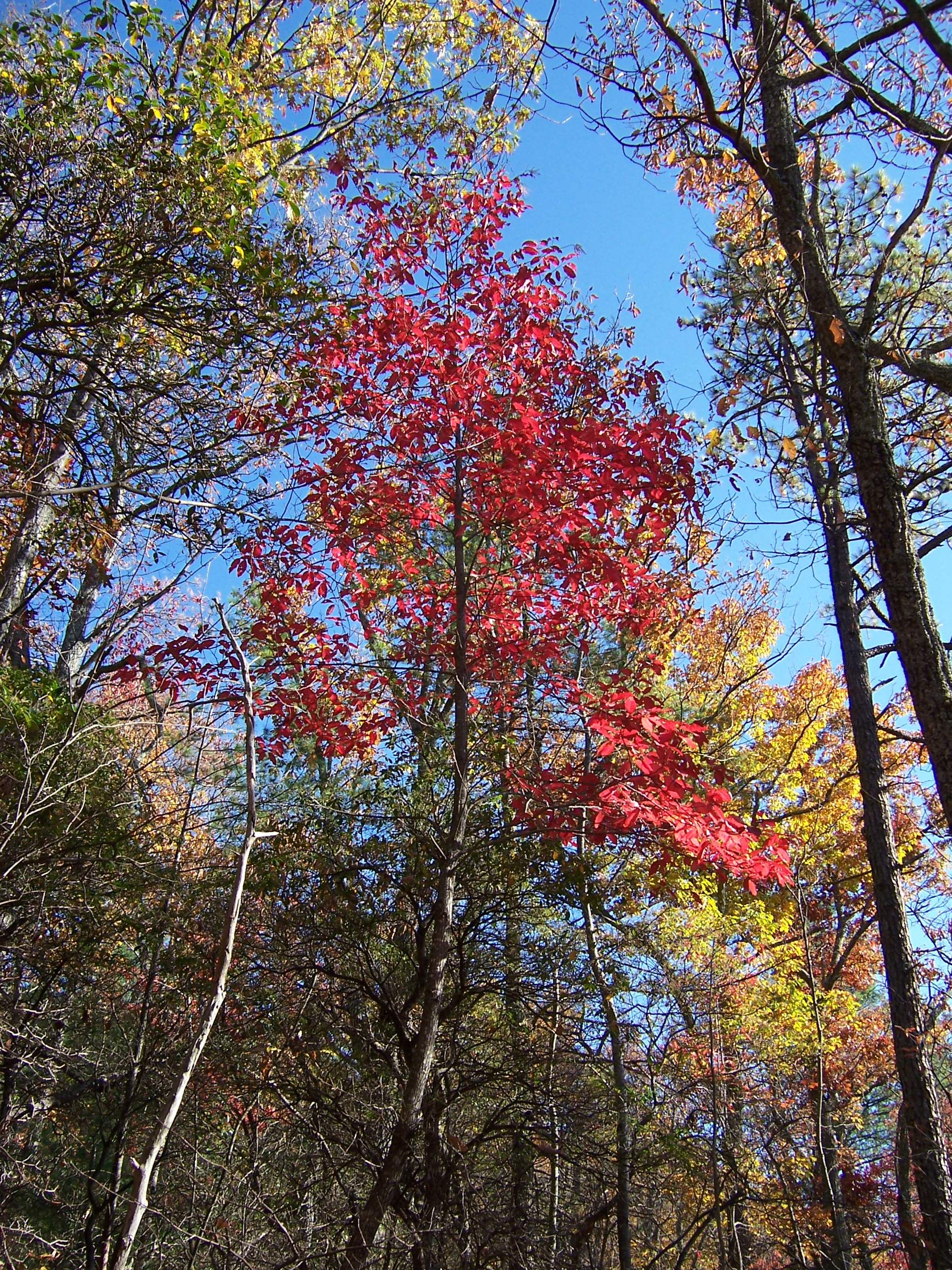
During autumn, the highway landscape between my city and the next town was ablaze with the red, orange, and yellow fall leaves.  Each time I drove this route through the mountains, the beauty took my breath away, but last week I drove it again, and the utter bleakness of those same trees stripped of all color startled me.  The contrast was shocking despite the fact I had bagged too many leaves falling from my own trees and was certainly not unaware of what was happening.

Winter Is a Introspective Time

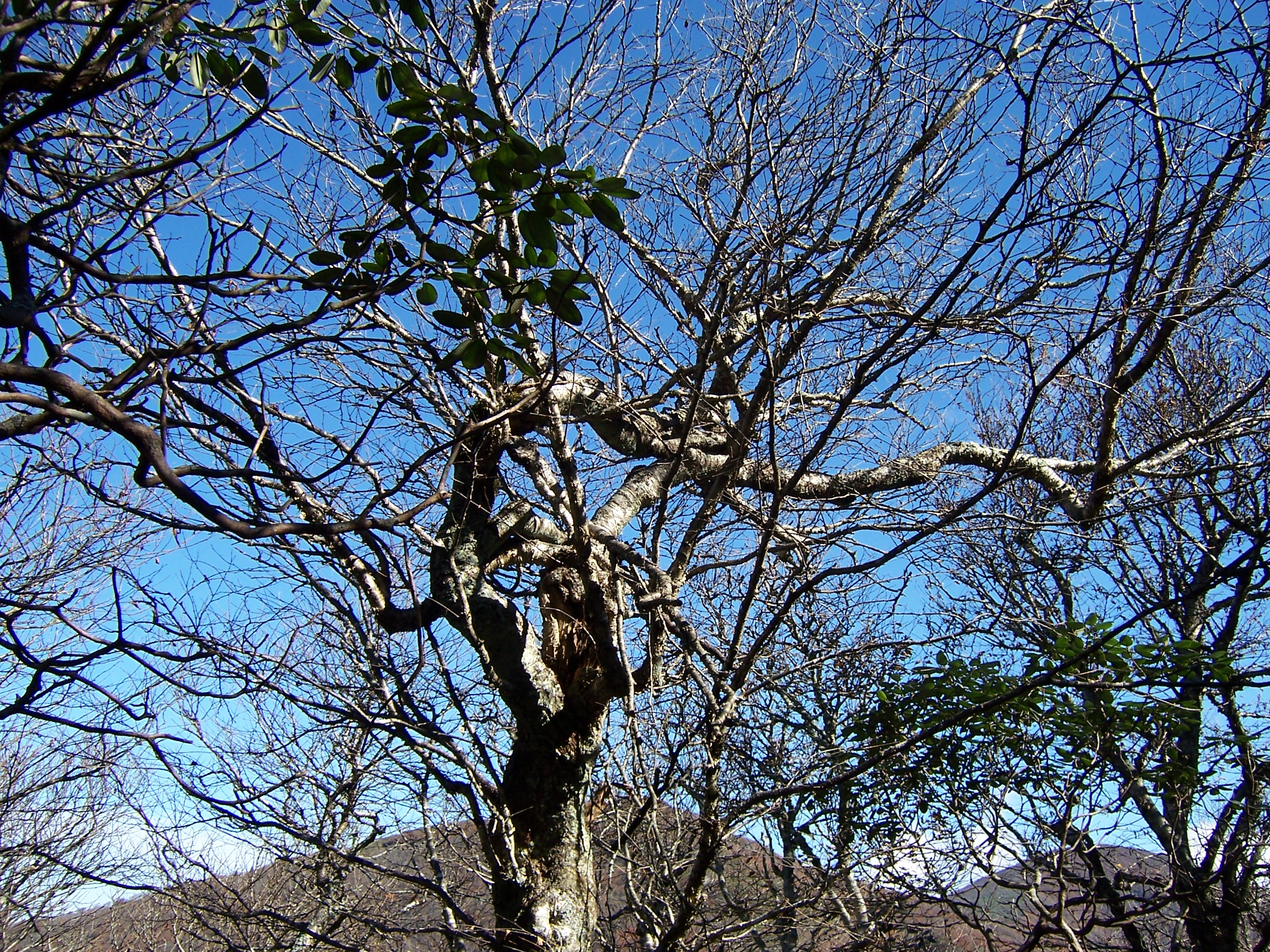
Some people may be inspired by the sparseness of winter, but not me.  Without nature’s colors or flowers inspiring me, I just want to go inside, and when I’m depressed by the bleakness, I visit my imagination for something more interesting.  Winter becomes a time to weigh things, to sort out ideas that are not beneficial and let them go.  It’s a good time to write because I’m not distracted by what is going on outside and it is a good time to just be, dreaming by the fire.

English: Photo of a stone fireplace.

English: Photo of a stone fireplace. (Photo credit: Wikipedia)

 WINTER DREAMS

In the midst of winter

We dream rose dreams.

The fragrance of flowers

Fills the inner landscape

Until we awake in the deep night.

Tulips, Dogwood and Jasmine

Invade the moment

Between sleeping and waking

And we long to wake in spring

And bloom like the flowers

In the garden

We will surely plant.

Winter flower

Winter flower (Photo credit: @Doug88888)

The fact is—I plant gardens in the winter—inside my own head.  I conjure up new ideas for classes, write poetry and essays, and have long stimulating talks with friends over cups of hot coffee.  With fewer distractions, I can commit to tasks that I’ve been avoiding.  Winter can be a most productive time.

Fear May Prevent Us From Looking Deep Inside

Andrew Wyeth says, “I prefer winter and fall, when you feel the bone structure of the landscape.  Something waits beneath it; the whole story doesn’t show.”  Perhaps it is the fear of what lies beneath our surface that makes us dread winter.  Confined inside by the cold, we cannot escape as easily those parts of ourselves we’d like to avoid—the ways we have disappointed others or failed to live up to the commitments we’ve made.  It is an excellent time to examine what we need to change and what is not working in our lives.

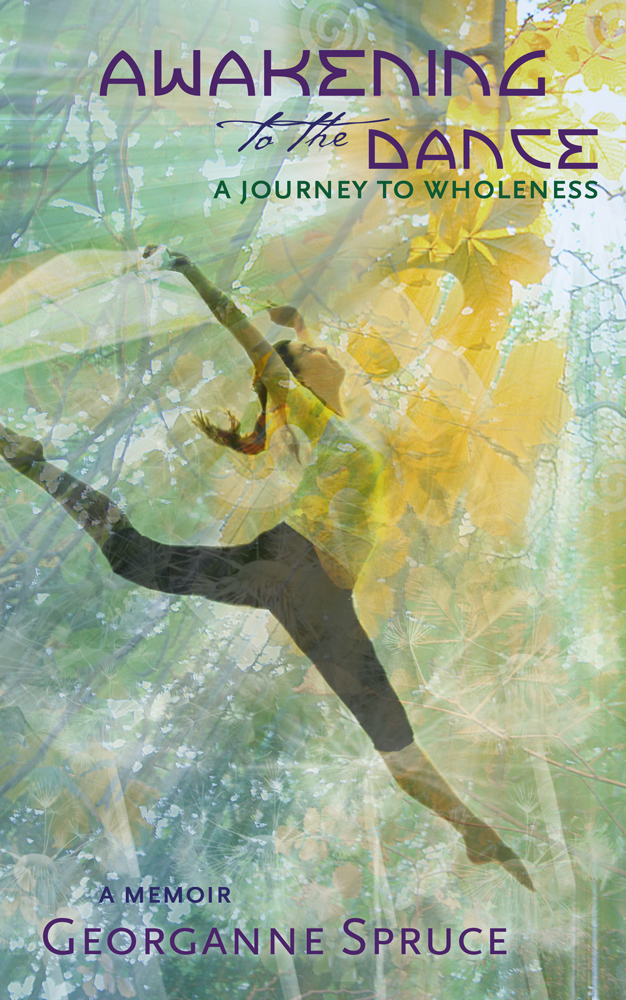
Over the last two years when I was completing my book Awakening to the Dance: A Journey to Wholeness, I ignored a number of things about my house that needed to be done.  I committed to completing the book above all else.  However, the rainy season was more intense than usual and mildew developed in closets and other places in the house.  Distracted during the spring and summer with many lovely distractions, I’ve promised myself I will clean this up this winter.  In fact, there are several “spring cleaning” kinds of tasks that I prefer to do in the winter.

attd_kindle

We Must Look Inside to See Who We Really Are

But these are superficial things.  It is the deeper aspects of our nature that we may find more difficult to face.  How can we repair the damage we have done to friendships or family?  How do we escape from a long term relationship that is abusive?  How do we find more confidence in our own abilities to make changes in the way we live?  While we may need help to solve these problems, we must begin by going inside and asking, “Who am I?” and “Who do I want to be?”

We Must Envision the Changes We Desire

We need to envision what we want in detail in the quiet of our own minds, stilled by meditation or prayer, opening ourselves to dream of how we want our lives to be and then be willing to search for the answers.  Only when we are clear about what we want will we be able to develop a plan to create the life we desire.  With this clarity, we will be able to take the first step.

Winter dreams may take many forms.  We may dream pleasant fantasies about the coming of spring, the birth of a child or new relationship, or a more fulfilling job.  But hopefully, like Albert Camus, we will be able to create an “invincible summer” within us, a hope and positive way to look at life even when everything is falling apart or frozen.  That “invincible summer,” a belief in ourselves, may help us believe we can make our winter dreams come true.

What are your winter dreams this year?  Please comment.

© 2013 Georganne Spruce                                                             ZQT4PQ5ZN7F5

Related Articles:  Finding an Invincible Summer, When Your Dreams Change, Let Your Values Guide You, Introspection Overload: The Value of Journaling, Neuroscientific Support for the Value of Introspection

AWAKENING TO BE THE ARTIST OF YOUR LIFE

“What do we do with chaos?

2011 019

“Creativity has an answer.  We are told by those who have studied the processes of nature that creativity happens at the border between chaos and order.  Chaos is a prelude to creativity.  We need to learn, as every artist needs to learn, to live with chaos and indeed to dance with it and attempt some ordering.  Artists wrestle with chaos, take it apart, deconstruct and reconstruct from it.  Accept the challenge to convert chaos into some kind of order, respecting the timing of it all, not pushing beyond what is possible—combining holy patience with holy impatience—that is the role of the artist.  It is each of our roles as we launch the twenty-first century because we are all called to be artists in our own way.  We are all artists as children.  We need to study the chaos around us in order to turn it into something beautiful.  Something sustainable.  Something that remains.”  Matthew Fox, Creativity

Creation Spirituality

Last week, I was privileged to hear Matthew Fox speak at a spiritual gathering.  He is a powerful speaker and leader, and his philosophy of Creation Spirituality is the basis for the spiritual community to which I belong.  Creation Spirituality is the belief that all creation is Original Blessing, and it integrates the wisdom of Eastern and Western spirituality with current scientific understanding and the passion of creativity.

Cover of "Creativity"

Cover of Creativity

We Must Be Creative To Solve Problems

To those who do not see themselves as creative, Fox’s quote may seem abstract, but as one who has participated in all the fine arts and for a time was a professional modern dancer, I know exactly what he means.  In fact, as surprising as it may seem, my studies of dance, theater, voice, and art have all taught me how to create a better life for myself because they taught me how to keep my mind open and how to create order from chaos.

In life as in art, we are continually faced with making decisions.  Using our rational mind to make these decisions is one approach, but we also have a right brain, as well as a left brain, that can lead us down many paths to solve each problem.  We are most likely to find a good, workable solution to the problems that confront us when we are willing to consider more than one possibility.

We Must Experiment to Create Order Out of Chaos

As a choreographer, I learned to experiment—try this movement and that.  I would develop a theme and then create variations to make the dance more interesting while allowing the basic theme to give it unity.  When this approach didn’t work, I threw out the movement that didn’t look good and explored how I could use another movement to express my idea.  Once in a while, I would choreograph a large portion of a dance and have to face the fact that it just didn’t work.  It didn’t communicate what I wanted, or it wasn’t interesting enough, or it just didn’t flow and I would have to throw out the whole thing.

And at times, I would just have to wait.  I could feel the solution to the problem simmering in the back of my mind.  Then, in a dream or while I was vacuuming or reading a book, suddenly the image would appear—a rhythmic pattern, a series of movements, a costume or concept—and  reveal to me the missing piece I needed to complete the dance.

Life often feels like this to me.  A problem arises and I don’t know how to solve it.  I research, talk to people I know and hopefully what I need to do becomes clear.  But at times, my daily life feels like chaos and no answers appear.  When it begins to feel out of control, I have to stop.  I remember that the answers to my questions cannot appear if I’m not listening with the “holy patience” that Fox refers to.

Space with No Name 004

Answers May Be Found When We Are Quiet

So, I go within to meditate or step into the natural world and let the playful squirrels or singing birds remind me I am a part of something more than the chaos that wears me down.  When I’m calm, I am better able to discern what I need to do.  It may be nothing or I may need to deal with the chaos by setting up a schedule and prioritizing what I need to do.  Using my creativity, I dance on that edge between chaos and order.

We are the artists of our own lives, and we have many choices about how to create order out of our chaos.  But the most important thing is for us to believe that we can.  We can only change the world if we believe we can change our own lives, and if we believe that, we will find the way to do it.  Because each time we succeed in creating order out of chaos, we inspire ourselves and those who observe our actions, who perhaps will be inspired to change their lives.

Our Lives are Sacred

Perhaps this is what Fox meant in his talk when he said, “If we have a sense of the sacred, we can change things.”  We do not have to do it alone.  In those quiet moments, even in the midst of chaos, we are in touch with Spirit.  We are reminded that we are sacred, our lives are sacred, and the earth is sacred.  We live in a creative Universe, and as we create our lives, let us remember we are each artists who can create order out of the chaos of our world.  No one else can do this for us.

How are you the artist of your life?  Please comment.

© 2013 Georganne Spruce

Related Articles: Matthew Fox – Creation Spirituality (video), How to Create a Balanced Life:  How to Feel Calm and Grounded, Everyone Is Invited to This Dance, Creativity

AWAKENING TO LIVE HONESTLY

“Whoever is careless with the truth in small matters cannot be trusted in important matters.”  Albert Einstein

2011 003 (2)

Do you always tell the truth?  How do you feel about little white lies?  Are you the same person on the outside that you are on the inside?

Our Society Focuses on the External Self

Living in a world that focuses on the external rewards of achievement tends to influence us to think that how we appear is the most important aspect of self.  Our image sells products and sells who we are.  When I started learning about marketing for my memoir Awakening to the Dance: A Journey to Wholeness, I was startled to discover my name was my brand.  With that concept, it seemed to me that the business aspect of writing separated me from the artistic aspect of me that came from deep within my core.

Writing inspirational material and poetry comes from a very spiritual aspect of my being.  To quantify it and box it up into a presentation that would sell seems very unauthentic; yet, every writer wants to connect with the readers who will buy, appreciate, and perhaps benefit from her work.  The question then became:  How do I sell myself and my book with integrity?

Design by Leslie Shaw Design

Design by Leslie Shaw Design

This is not just a question for writers.  Many people are daily faced with this question in business and in relationships.  How can I be who I truly am and be appreciated and loved?  At the core of the question is the issue of honesty.

We Are Often Dishonest To Protect Ourselves

Growing up in a family where my mother and father often argued, I became the child who wanted to keep the peace, but I was also taught that it was a very bad thing to be dishonest.  Despite that, there were times when I pretended to agree with my parents or presented a situation as being slightly different from the reality just to keep them from getting upset.  I didn’t feel good about it, but it was part of the survival pattern I developed.

One day when I was a young adult, I thought about my impending marriage and decided I would stop telling “little white lies” to keep the peace.  It wasn’t right and I wanted an honest relationship with my husband.  I knew I could be a better person than I had been and vowed to make this change.  Putting a priority on communicating honestly greatly improved my self-esteem.

Being Honest May Be Challenging

But being honest isn’t always as easy as it sounds because the other person, a spouse, boss or colleague may not like our truth.  There are times when being honest can create huge problems for us.  It may jeopardize a career or relationship.  It may displease people we need to support us in various ways, so we weigh the benefit against the loss.

As Einstein suggests, if we are careless in small matters about being honest, we are most likely to be careless with important issues, and when we have stepped over that line, it may be very difficult to return.  We’ve seen this often in politics.  Richard Nixon is one of the outstanding examples.  Once you know someone has lied to you, it is difficult to trust them after this.

Honesty

Honesty (Photo credit: basswulf)

Honesty Is Basic to Our Spirituality and Wisdom

At the spiritual level, the damage we do to our souls is great when we lie or deceive others.  Thomas Jefferson once said, “Honesty is the first chapter in the book of wisdom.”  When we live honestly, there is a joy and energy that permeates our lives because we have no fear that our secrets will be revealed, for there are no secrets.  We have nothing to hide.  When we make a mistake, we acknowledge and take responsibility for it.  We act with integrity so that our words and actions match.

When we model a life built on honesty, we inspire others who may be drowning in the lies and secrets of which they are ashamed.  With these burdens weighing people down, how can they like themselves?  The fear that these secrets will be discovered will always be the shadow that hides who they really are and separates them from the sense of being one with All.

Honesty Frees Us to Love Ourselves

When we accept our deep, spiritual self and feel connected with Spirit, we know that we are worthy of love and learn to love ourselves.  When we love ourselves, we know we are worth more than living a life underground, and we have the courage to reveal our true selves, and clean up the messes in our lives.  As we discard our camouflage, we find a freedom and joy that is authentic.  We gradually learn to simply be who we are, and with the confidence that gives us, we no longer need lie or mislead.

What we put out comes back to us.  When we are honest and have integrity, we will draw to us people and circumstances who will relish our honesty.  Whatever falls away was an obstruction to our growth, no matter how painful that loss may be.  It is all a part of the path we follow to wisdom.

©2013 Georganne Spruce                                                   ZQT4PQ5ZN7F5

Related Articles:  Wayne Dyer: Trust Your Inner SelfWorldly and Spiritual Values:  Humankind May Depend on Rediscovering a Natural Balance, Are You Being Honest With Yourself, Debbie Ford:  Honesty and Integrity (video)

AWAKENING TO TEACH OURSELVES

“Life isn’t about finding yourself.  Life is about creating yourself.”  George Bernard Shaw

2012 009

Do you ever teach yourself a new skill?  Are you satisfied with your life and resist exploring new ideas?  Or are you always open to new perspectives on your life?

For many years, I taught in high schools and universities, and what I liked most about teaching were those moments when a student suddenly “got it.”  A new idea or perspective suddenly entered their life and shifted their attention to that moment when it all came together.  That’s what I saw as my purpose as a teacher—to awaken the students to think and explore their view of life and expand their thinking.

Learning Awakens Us

Hopefully, we’ve all had at least one teacher who helped us untangle the confusion of our lives or urged us to step into the unknown and discover talents we never realized we had.  Those moments when something shifted were significant because we had to make a decision.  Were we willing to explore this new idea or did its newness frighten us into retreating?  When we chose to explore the unknown, we chose to let life and our participation in it become our teacher.

Our Choices Determine Who We Are

Every teacher must first learn the material that is to be taught, assimilate it, and decide on what is important to present to others.  These steps are also useful in living life.  They help us decide who we want to be, and the choices we make determine how we develop spiritually, emotionally, or intellectually.

2013 006 (2)

Reflection Connects Us With Our Spiritual Core

If we want to truly understand ourselves, others, and our world, we must be willing to reflect.  At our core is a spiritual essence that is unique.  When we talk about finding ourselves, we usually are referring to being in touch with that depth in ourselves, but how we connect this to our external selves is how we create the whole of who we are.

So, how much are we willing to expand?  Becoming our own most important teacher means that we accept full responsibility for our lives.  We choose a set of values to guide us, and we see each challenge as an opportunity for learning.  We make the best decisions we can, and then we reflect on our behavior.  Did we accomplish what we hoped?  Did we do it without harming anyone?  Are we comfortable with the consequences of our choices?

Spiritual Solutions to Problems Are More Lasting

When things don’t work out the way we wish, it is often difficult to admit our mistakes and get help solving our problems.  Our egos don’t like to admit our choices weren’t good, so we may choose to resist any suggestion we made poor choices.  The more we resist, the greater the problem becomes, and the more we block valuable intuitive and inner guidance.

When we’re willing to reflect honestly and look at the situation from our hearts, we then open ourselves to the spiritual guidance that is always there for us, through prayer or meditation, from Spirit.  Developing our relationship to Spirit will offer a new dimension to our decision-making abilities.  Solving problems at this level can give us more substantial and lasting solutions to problems.

Being Our Own Best Teacher Requires Self-discipline

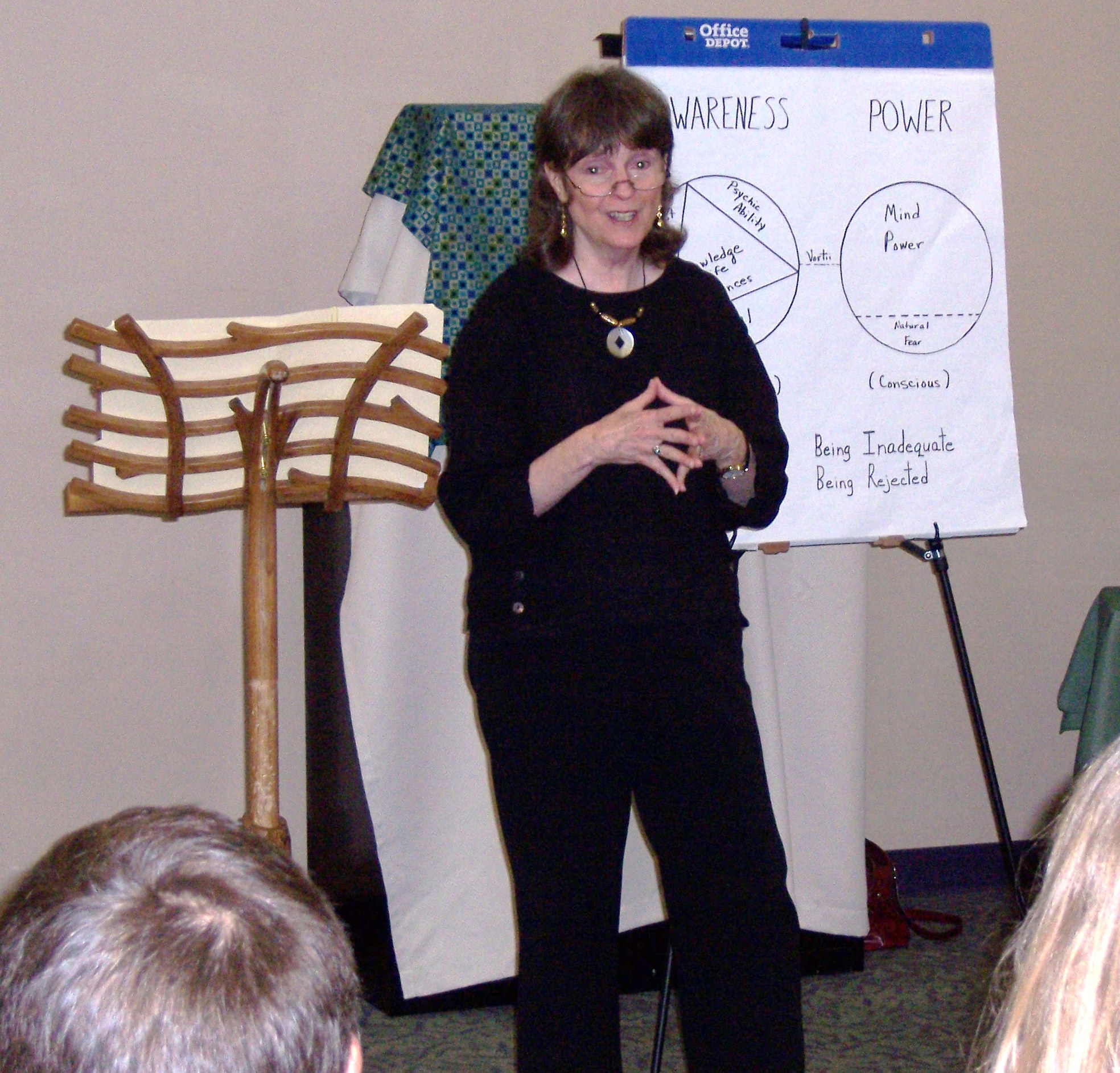
Teaching ourselves is a life-long process, and like the classroom teacher, hopefully we share what we learn on this journey.  Over the years, dealing with fears of inadequacy and rejections was a major challenge for me.  I explored many techniques for releasing it.  In each case, I had to teach myself to use the technique.  I had to choose to work with it every day, month after month, until I could see if it was beneficial or not.

Others can teach us about a technique we can use, but we have to teach ourselves to use it, and that requires self-discipline.  While I often heard that it was natural to experience fear, I saw too many examples of the way psychological fears controlled people’s lives in negative ways.  I decided to teach myself how to live without those fears.  From my modern dance career, I had learned that I had to practice if I wanted to achieve a skill level that would allow me to perform.  So, I applied that same persistence to learn the technique to release my fear.  As a result, those old fears no longer dominate my life.  I decided to become who I wanted to be.

workshop 004

Because learning to release my fear has been so valuable to me, I teach workshops on this technique several times a year and share with others what I have learned.  Since I live in a community of conscious people, I am grateful for the things they have learned and share with me.  I am particularly grateful for the way people have shared their technical knowledge with me, many of whom, like me have chosen to be their own teachers.

Teaching Ourselves Expands Us

Today, especially with the internet, there is an endless opportunity to learn.  As our minds expand, our lives expand, our spirit expands and we become so much more than we ever dreamed we could be.  What will you teach yourself tomorrow?

© 2013 Georganne Spruce                                                              ZQT4PQ5ZN7F5             Related Articles:  10 Tips for Becoming Your Own Teacher, You Are Your Own Spiritual Teacher, Teaching as A Spiritual Practice 

AWAKENING TO LET GO

“Holding on is believing there is only a past; letting go is knowing there is a future.” Daphne Rose Kingma

2011 027

Do you find it easy to let go of old ways of doing things?  Do you often resist change?  Are you excited by frequent change?

Every autumn as the leaves fall, I am in awe of how easily and naturally nature moves toward winter.  At first, the leaves turn brilliant red, yellow, and orange—a gift that makes us forget how much we loved the lush green of spring and summer.  Then, as we revel in this display, the leaves begin to gently drop, showering our yards with color and providing the material to mulch and feed our lawns and gardens. When finally the trees are bare, we discover vistas that were obscured by their leaves, and the sky opens, displaying clouds and stars we couldn’t see before.

Letting Go Is a Natural Part of Nature

As we drift into winter, we remember that in the spring the leaves, flowers, and warmth will return, but now is the time for going inward, to light fires, and snuggle up with lovers and books. It is a time of reevaluation, thinking, and contemplation.  Letting go of the past is part of the cycle of life.  Each change and each new cycle opens us to a new experience that may enrich our lives and expand our awareness.

Letting Go Creates New Space for New Ideas

Wouldn’t it be nice if letting go were as easy for us as it is for nature?  We would experience much less anxiety if we could accept this aspect of change as a natural part of living and understand that letting go creates the space for new growth.  As long as we keep the doors of our mind closed, nothing new or beneficial can enter.

Craggy Gardens & Pinnacle 2013 012

We Fear the Unknown

Our reluctance to let go is usually related to our fear of the unknown.  Although we may become bored with life always following the same pattern, at least we know what to expect and that feels comforting.  The irony is that despite our determination to keep things the same, they change anyway and impact our lives.  When we are forced to change by circumstance rather than choice, the more we resist, the more the difficulties persist.

The Unknown May Be Filled With Gifts

On the other hand, some people are always looking for new adventure and find venturing into the unknown exciting.  Most of us fall somewhere in the middle of these two extremes, experiencing both fear of the unknown, but also being willing to embrace change when necessary.  When we believe that, although we can’t predict the future, life often brings us unexpected gifts, we are more likely to let go of the aspects of our lives that aren’t serving us well.

Years ago, when I was divorced in Washington, D. C., I loved living there, but I wanted to teach dance in college, and most of the positions for which I applied were filled by people who had danced with major New York companies.  When I was offered a position to teach at a college in central Nebraska, I decided to take a chance.  I loved Washington, but I needed an income and didn’t want to give up dance.  I had to let go of my life in the east and move on.

It wasn’t easy leaving what I knew—my spiritual and artistic community and friends, but up to this point, my life had been strongly influenced by my parents and then my husband’s needs.  I had only visited Nebraska once for the interview, but the opportunity I wanted was there.  Like the pioneers who inhabited those plains, I headed out for the unknown land feeling fear and excitement.

Nebraska Wildflowers

Letting Go May Be Transformative

The most important thing I learned from my time in Nebraska was not to judge what I do not know.  I loved the students and made some of the best friends I’ve ever had.  I learned to not accept appearances but to look deeper to find the subtle beauty of the plains.  Most of all, I learned I could adapt to a new environment and that gave me the confidence to believe that letting go of what was comfortable, but limiting, was not so frightening.

Letting go of what no longer serves us can transform our lives.  On the personality level, we often become very attached to the work we do for a living.  I’ve seen too many people retire and let their lives just slip away because they are not in touch with who they really are.  I understand this.  It took me a long time to disconnect from identifying myself as a dancer to seeing I was so much more as a person.

My father never made the transition, and unlike many people who use their retirement to become involved with helping others and following their true passions, he seemed to feel his life was over.  He became a grandfather and enjoyed that, but still he never completely engaged life again.  He just drifted through each day, reminisced about his past achievements, and watched television.

Being Authentic Frees Us

When we are conscious of our interior life as well as our exterior life, we can discover what we need to do in order to live an authentic life.  We are able to let go of the persona we developed to please our family or employer and find the courage to reveal who we really are.  We shed the superficialities and find the courage to be honest and real.  We let go of others expectations and follow our own path into the unknown, finding the future path that will lead us to a meaningful life.  Letting go of what limits us is a powerful gift to give ourselves and others.

© 2013 Georganne Spruce                                                                 ZQT4PQ5ZN7F5

Related Articles:   Ten Tips to Let Go of the Past and Embrace the Future,   8 Effective Ways to Let Go and Move On, Releasing Fear and Limiting Beliefs,  The Ultimate Letting Go:  Release Your Fear and Be Free

DANCING ON THE SUMMIT

“Each and every master, regardless of the era or place, heard the call and attained harmony with heaven and earth.  There are many paths leading to the top of Mt. Fuji, but there is only one summit – love.”  Morihei Ueshiba

 Craggy Gardens & Pinnacle 2013 002

What is the pinnacle of your success?  How do you know when you have reached the summit of your journey?  Was it what you expected it to be?

Last weekend, a friend and I drove up the Blue Ridge Parkway to see the autumn colors at their peak.  With trees covering the roadway much of the way, we traveled through a tunnel that at times glowed with the yellow of tulip poplar and the bronze of beech.  At another turn in the road, the light was transformed by the red of maples and sourwood.  Like crystal sparkling, the light played through leaves and branches luring us into another world inhabited only by nature.

Our Expectations May Lead to Disappointment

We were seduced by its beauty into believing that, at our destination, the colors would be at perfect peak.  When we arrived at Craggy Gardens, the mountains were, for the most part, a lovely array of the usual red, orange, and yellow that we expected, but not as intense as I had seen them in the past, and on some hillsides the trees were already stripped of their leaves.  It was beautiful—just not as brilliant as I had hoped.  I was disappointed.

We hiked up the side of the mountain to 5,500 feet to a bald, a treeless area at the summit where there is only low-growing vegetation.  At other times of the year, blueberries and rhododendron grow there, but at this time of year there is little colorful vegetation and the grass is mostly brown; however if one looked beyond what was in the immediate foreground, a beautiful and breath-taking vista opened.

A Higher Perspective May Open Our Minds to the Beauty of Life

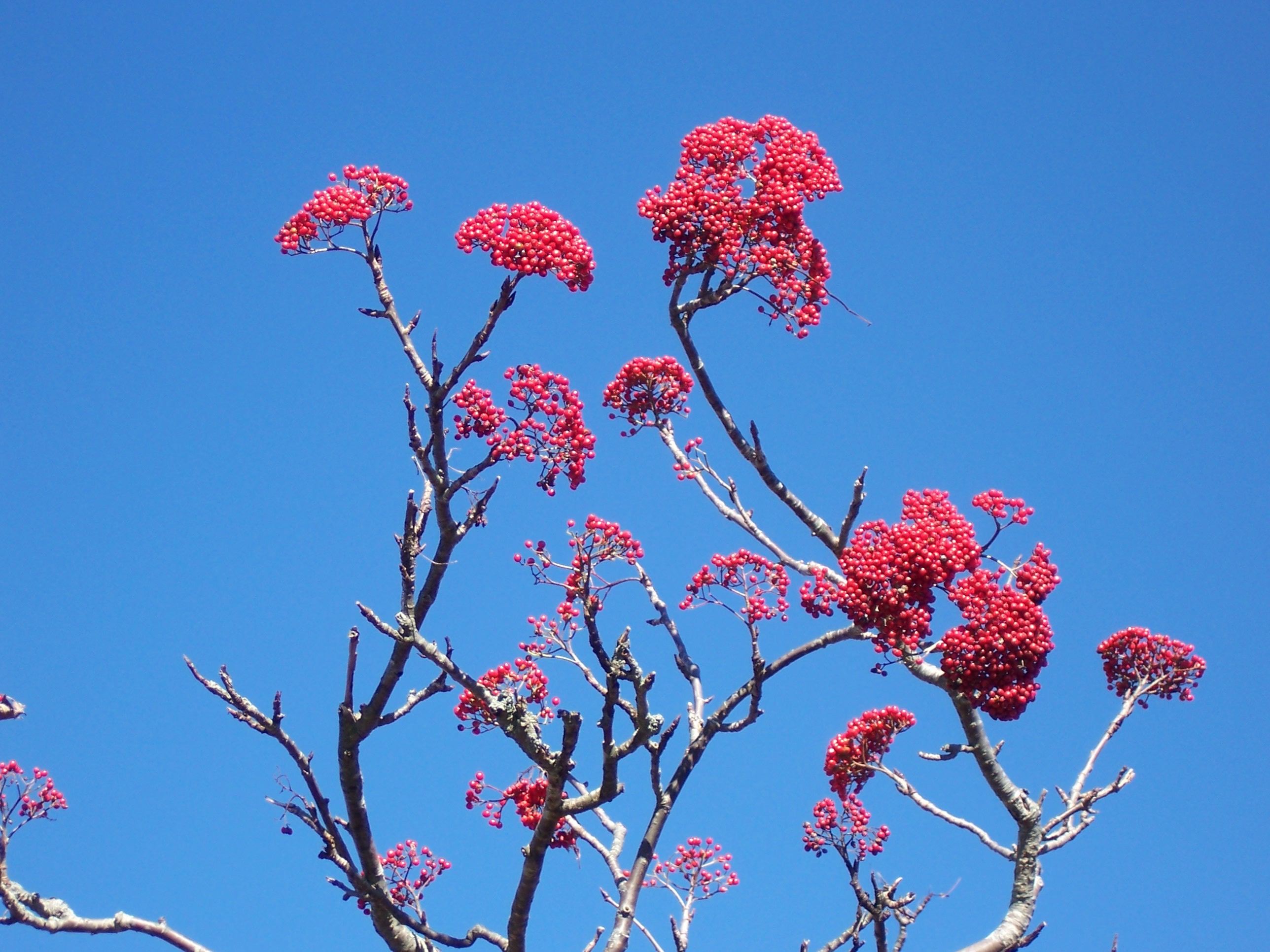
The sky was clear and intensely blue with wisps of cirrus clouds streaming over the mountains.  Meandering streams and roadways danced through the hills, creating a patch work of light, shadow and color.  Beyond the bald, where most of nature was sleeping, we looked out on a vibrant world.  When we focused on the broader perspective from this higher place, we saw beauty, not desolation, and above our heads, silhouetted against the blue sky, were the bright red berries of a mountain ash.

Craggy Gardens & Pinnacle 2013 010

In life, as in nature, we experience the beautiful with the mundane or disappointing.  Even when we reach the summit of our careers and live out our greatest dreams, they may not be what we expected.  In my twenties I thought that my life would be perfect if I could only dance with a modern dance company.  I felt I had reached the pinnacle of my success when, finally, that dream came true.

It was a beautiful and inspiring experience, but I experienced a great deal of physical pain and had far more stage fright than I’d ever had acting.  The physical aspect of performing was a great disappointment, but from a spiritual and higher perspective, it was very rewarding.  At times, dancing was transcendent, and as I taught and choreographed more, I realized it was not the performing I loved most—it was the teaching and making dances.

With time, I became more whole and able to see how the mind and body interacted.  This broadened what I could teach others and helped me to improve my health.  When I let go of my ego’s need to be a performer, I was able to see the value of dance from a higher perspective.

Nature May Remind Us That We Are All One

When my friend and I were hiking, we also went to Craggy Pinnacle, the highest spot in the area where we could see those magnificent mountains from a 360 degree view.  There was something about standing in such place that allowed all expectations and focus on self to drop away.  We were one with the world that surrounded us.  From that place, there were no piles of trash or run down houses or torn up roadways or contentious neighbors.  All the details blended with the beauty of nature.

Craggy Gardens & Pinnacle 2013 038

In those moments at the top of the mountain, I forgot about the hillsides that were bare or that the red leaves weren’t as red this year as before.  I forgot about the aching toe I’d stubbed on the way up or the hours of raking leaves ahead of me as the leaves blanketed my yard.  I no longer mattered, for I was not separate from the beauty around me.

Love Opens Us to the Dance of Life

When we can view life from the summit, from a spiritual perspective, we are able to see the wholeness of a situation and love what is there.  While my pursuit of dance was originally very ego based, as my mind opened, it became not only a spiritually-enlivening experience, but one that led me to share insights with others so that they could be helped by what I had learned.  Reaching the pinnacle was really only the beginning of a life-long journey of learning to love my whole self and others and to discover there is so much more to the dance of life.

If you want to learn more about my journey, my memoir Awakening to the Dance: A Journey to Wholeness is available at Amazon and Create Space.

Have you reached the pinnacle in some area of your life?  What did you learn from it?  Please share your thoughts.

© 2013 Georganne Spruce                                                     ZQT4PQ5ZN7F5

Related Articles:  (video) Akido – Way of Harmony, The Spiritual Inspiration of Nature, Nature Mysticism, Photo Nature Blog

AWAKENING TO POSITIVE COMPROMISE

 “We cannot change anything until we can accept it.  Condemnation does not liberate, it oppresses.”  Carl Jung

Denver 002

How often are you able to accept something you do not like, but which you cannot change?  Do you cling to your opinion regardless of its reality?  How often are you able to see things from another’s point of view?

Some would say that compromise in any form is a bad thing – like some members of the U. S. Congress.  No matter what the consequences for the people who elected them or the world economy, they only care about being right.  Needing to be right all the time is a very oppressive way to live.

Compromise Is the Basis of A Democratic Society

In a compromise, we all may get something we want, but we also accept that we may have to give up something.  It signals a willingness to keep life moving forward, to accomplish at least part of what we hoped to accomplish rather than accept a stalemate.  Compromise is the basis of working together to serve the common good.  As a humane and democratic society, I believe that serving the common good needs to be our objective because it contains an important spiritual aspect.

Carl Jung integrated psychology with spirituality

Carl Jung integrated psychology with spirituality (Photo credit: Wikipedia)

We Are All One

If we believe that we are all One, what we all need is important, and we must be conscious of the way that our actions affect others.  The energy we put out draws to us the people and situations that resonate with that energy, so if we are stuck on being right, we will draw to us others who believe they are right.  When these two groups believe they are right but are in opposition, we have a problem.

We can have a firm belief about an issue and be true to it in our hearts without forcing it on others.  For example, I’m firmly committed to eating a healthy, organic diet, primarily to avoid the diabetes that runs in my family.  This means that I don’t eat fast food or eat excessive amounts of fat or sugar.

Compromise Suggests A Sense of Fairness

There have been times when I’ve had friends who didn’t take good care of their health and who wanted to eat at restaurants where the food wasn’t healthy.  Sometimes they resented my healthier choices, but when they were willing to accommodate my needs, I tried to give them the choice to choose the movie we went to see or the event we would attend.  I tried to find a compromise that would please us both.

The reality is that when we choose a healthy or spiritual path, we will find people who resent the peace and health we have found.  We choose not to deviate from our path because the consequences can be harmful and we simply have to accept others’ condemnation.  If the compromise we make cannot offer something good for each side, it won’t be a positive compromise.

The current situation in Washington, D. C. is a perfect example.  Combining very different issues in the same bill makes no sense, and I’d love to see a law passed forbidding these kinds of bills.   Having one topic in one bill would simplify the process and make compromise more likely, and it would make  it more difficult to hold the opposition hostage.

United States Capitol Building

United States Capitol Building (Photo credit: Jack in DC)

The Challenge of Compromise in Relationships

But how often do we do this in our personal lives.  I was once in a relationship with a man who invited a woman he said he didn’t know well to live with him indefinitely until she could find a job and a place to live.  I was very uncomfortable with this.  He was lying to me about how well he knew her, but I didn’t know that until later.  I didn’t think his choice was appropriate, but he made it clear that he had promised to do this for her and it was a matter of principle to keep his word.

I pointed out that his situation had changed since he had made her that promise and being in a relationship meant he needed to make a different choice.  I suggested he limit the time she could stay or find someone else she could stay with.  He refused any compromise I suggested.  He was just as adamant about this as the people in Washington who would prefer to ruin lives rather than find a compromise.  In the end, my partner’s inability to compromise in many situations destroyed the relationship.

Open Ourselves to What Is Beneficial

In order to be willing to make changes when we are challenged with difficult situations, we must be able to see the other point of view and accept it for what it is.  Hopefully we can find some good in it so that we can find the points where we can agree and preserve our relationships for the good of all.  Letting go of the ego and looking at the situation from the heart will often bring us in alignment with that sense of Oneness, and that sense can help us let go of what is not really important and liberates us from what is not beneficial.

It is disheartening to see the condemnation that is occurring in the U.S. Congress and the way that greed and politics have infected the people we elected.  But sometimes we have to see the worst before we are willing to change our ways.  Let’s hope this is the worst we ever see, and that somehow our leaders finally remember they were not elected to be right; they were elected to serve all the people.  Keeping our egos in check tends to lead us to better choices.

How do you feel about making compromises?

© 2013 Georganne Spruce                                                     ZQT4PQ5ZN7F5

Related Articles:  Making Compromise Work BetterWhat You Should Never Compromise On While Building Your Career, 6 Steps for Resolving Conflicts 

AWAKENING TO THE SACRED DANCE

“Something opens our wings.  Something makes boredom and hurt disappear.  Someone fills the cup in front of us.  We taste only sacredness.”  Rumi

Sergey Yeliseev

Photographer: Sergey Yeliseev

What is sacred to you?  How important is it in your life?  What role does it play in helping you deal with challenges in life?

Accessing the Sacred Through Creativity

I begin to write a poem inspired by a thought created by something I see in nature or one that comes to me through Spirit.  I start writing, letting the thoughts and images flow without editing until they stop.  There is no rational thought here.  It feels like the words come from a sacred place filling the empty page, and if I am writing about nature, a tree or an animal, it feels as if I become one with it.

Any creation is sacred.  When I am creating, it doesn’t matter what is happening in my life.  The conflicts, aches, frustrations all drop away and I am floating in a clear sky, peaceful and full of potential.  Opening my wings, I open my mind.

THE RAVEN’S DANCE

by

Georganne Spruce

The breath of the wind

Rustling through the maples

Touches my cheek gently,

And I become the Raven

Coasting on an updraft.

Wings touching the clouds,

I bend backwards and stretch

Upon the cool fresh grass,

My wings becoming

Arms again.

The crickets sing in my ear,

Their chorus of ancient rhythms

Inspire me and I dance

On the breath of life

As I have never danced.

Like the cave artist, I draw

My ecstatic dance through space

Singing with the crickets,

Dancing on the earth

Where fires will glow at night

Welcoming sages.

I will dance for them

My truths,

I will dance for them

My joy,

I will dance for them

The Raven’s dance,

Wings flying through eternity,

Littering holy messages

At their feet,

I will dance life,

I will dance life,

I …will…dance…LIFE!

Finding Peace At Our Centers

But when our wings don’t open, and the boredom and hurt don’t disappear, and no one fills the cup, what can we do?  This morning I had to balance my chakras before I could do anything.  The challenges of mundane life became a burden this week, and every attempt I made to move forward was blocked.  I’ve felt emotionally exhausted from not being able to complete the changes I needed to make and finally realized I was neglecting my spiritual self, and that was what was creating the problem.  When I am centered, the challenges do not become burdens.

English: A dancer of Sri Devi Nrithyalaya perf...

English: A dancer of Sri Devi Nrithyalaya performing one of the Karanas (key poses) of Natya Yoga. (Photo credit: Wikipedia)

Releasing the Ego’s Concerns

Often, stepping into the spiritual realm by doing meditation, affirmations, yoga or chakra balancing will take us to a place where we can let go of our ego and emotional attachments to the things that burden us.  When we have released the attachment, we can often see the situation more objectively and open our minds to solutions we haven’t considered.  But most importantly, it reminds us that there is more to us than our physical lives.

Connect With Spirit Through Nature

Denver 030

For me, connection with nature has a calming influence and reminds me I am connected to all living beings and that awareness expands my energy.  The sound of flowing water, the soaring bird, the playful squirrel all remind me of the beauty inherent in all of us and that we are all One, connected by the energy of Spirit and that there is a peace beneath the surface chaos.

Art May Take Us Deeper

But words, music, art, or dance may also take us to a deeper level and bathe our soul in peace or joy.  Athletes often speak of being in the flow.  Regardless of the activity, when we experience the Oneness of that flow or connect on the heart level to a piece of music, art, or poetry, we are in a sacred space and become a part of the dance of life.  We are uplifted in the deepest sense and strengthened by our connection to the sacred.

How do you experience the sacred in your life?  Please Comment.

© 2013 Georganne Spruce                                                         ZQT4PQ5ZN7F5

Related Articles:  9 Practical and Spiritual Tips for Letting Go of Unhealthy Attachments, Eckhart Tolle – Acceptance and Surrender, 5 Ways to Find Your Center When Life Feels Overwhelming

AWAKENING TO LOVE ALL WE ARE

“The supreme happiness in life is the conviction that we are loved–loved for ourselves, or rather, loved in spite of ourselves.”  Victor Hugo

Denver 018 Do you ever feel that you aren’t loving enough?  Do you feel that you are a failure if you don’t do everything perfectly?  Do you feel that you can’t be loved for who you really are?

We all need to feel we are loved, and that we are loved despite our imperfections, but often we set standards for ourselves and others that only create more stress and problems.  At times we set goals or expectations that are impossible to meet, and when we or our friends don’t meet them, it damages our self-esteem and relationships.

Expecting Perfection Can Be Harmful

We all have ideas about the perfect relationship.  We may even have a list of requirements that a potential partner or friend must have, but inevitably, if these standards are too high, we are setting up ourselves and our partner for failure.  Ultimately what we really want is to be able to make mistakes and still be loved and respected.

Growing up, my parents had high expectations for me.  I was intelligent, so they expected me to make A’s in school, which I often did.  They also taught me to be kind and respectful to others and not to do or say things that would hurt others.  As a Southern woman, my role was to take care of others, make them feel good, and put my needs last.

There was a lot of conflict between my parents so I developed the idea that I needed to do everything perfectly to prevent any further conflict.  When I achieved what they wanted, I was rewarded with praise.  This was before the days when parents bribed their children into doing what they wanted in order to receive toys or electronics.

Setting Standards Of Perfection May Cause Illness

I felt very nervous and fearful much of the time because my parents’ conflict was disturbing to me, and sometimes I was punished for what was a fairly small thing because they were so on edge.  As a result I became a perfectionist well into adulthood.  I experienced a great deal of anxiety around trying to meet high standards in school, relationships, and in work, and with time this stress contributed to my developing Chronic Fatigue Syndrome.

When we expect too much from ourselves or others, we will inevitably be disappointed at some point.  Stress caused by any condition affects our health in a negative way, but I didn’t realize the harm I was creating for myself until I attended a clinic where every health practitioner with whom I spoke told me not to be so hard on myself.  Fortunately, they convinced me my perfectionist thinking was not healthy.

We Need To Accept Ourselves As We Are

At first, I was angry that they wanted me to lower my high standards.  I was proud of having high standards and trying to be a really good person, but I had so little energy, I had no choice but to change.  Having to limit my activity forced me to go deeper and explore why I needed to be so perfect.  The more I explored this idea, the more I realized I thought I wouldn’t be loved or liked if I didn’t meet these expectations.

As I moved from believing things had to be done in a certain way to being more open and flexible, I learned to say “no” to situations that were too stressful or not truly beneficial.  As I stopped expecting perfection from myself, I realized how difficult life could be for others and grew more empathetic.  I learned to expect less from others.  I also learned to accept my imperfections while also trying to change some things for the better without judging every step I took.

Loving Ourselves Helps Us To Love Others

I learned to love who I was—even when I was able to do little of what I wanted to do.  I learned to love myself as I was.  I knew I was doing the best I could everyday despite it being less than I had previously done.  As I recovered from the illness, I came to value well-being so much that it became my priority, not what I achieved in the eyes of the world.

Learning to love ourselves compassionately teaches us how to love others, and what we all want most is to be loved for who we really are.  As I came to love myself more, I was able to love more generously and accept others’ irritating qualities with more compassion.  I learned to love them for who they truly were.

The most wonderful love we can experience is with someone who really knows us and accepts our eccentricities and difficult aspects.  We know that we do not have to be perfect—that we can be human and make mistakes and still be loved.  It also gives us an opportunity to grow in our love, to say, “Well, I didn’t handle that well, but I can do better the next time,” and to take the time to contemplate a more effective or caring response to the problem that arose.

Love comes From Within Not From Without

I’ve met many people who do not love themselves, and in order to prove to themselves that they are loving, they exhaust themselves doing good deeds for others.  However, when we act in this manner, we aren’t acting from love; we are acting from a wounded ego.  When we do for others out of love, we do not feel we have to ignore our own needs, and we balance our time between taking care of ourselves and caring for others.

With the exception of abuse, we may grow by learning to accept aspects of our partners and friends that don’t always please us.  Of course, there are always limits to what is healthy and appropriate in a relationship, but if there truly is enough there to make the relationship good, we need to exercise the effort to accept and hopefully understand those things about our partner that irritate us and have compassion for their struggle.

Wholeness Includes Loving All Of Who We Are

In talking with friends who have been married many years, I am always impressed with how they have grown together, adjusting and changing as needed to make the relationship more workable for both.  But it is clear that the one thing that holds them together is this—they know they are each loved for who they truly are, for their best qualities and their most irritating ones.

Learning to give to others what we want in return tends to draw to us that same energy.  One of the most profound thoughts I’ve read in Oneness by Rasha is this:  “The key to the self-mastery that is so fervently sought by you who are so keenly aware of your process of evolution, is not to love yourself despite your perceived shortcomings—but rather, to love yourself because of them.  In your embracing of all that you Are…is the unconditional gift of wholeness that awaits you.”  (p. 238)

These challenges we face in relationships reveal to us aspects of ourselves we may rather not see; yet they offer us opportunities for growth and challenges in loving ourselves and others.  Let us learn to love all of who we are and share that understanding and love with others.  Only love will heal the world.

© 2013 Georganne Spruce                                                      ZQT4PQ5ZN7F5

Related Articles:  How To Love Yourself, Wayne Dyer – Looking For Love, Self-Love: A Definition

AWAKENING TO A PEACEFUL HEART

“Any intelligent fool can make things bigger, more complex, and more violent.  It takes a touch of genius – and a lot of courage to move in the opposite direction.”  E. F. SchumacheR

Denver 008

A few months ago, my life was so full I felt I was in constant motion.  I was promoting my memoir Awakening to the Dance: A Journey to Wholenesswith book signings, and I met a wonderful man and began a relationship with him.  Combined with the usual things one has to take care of in life, I was fairly overwhelmed.  As a result, I stopped going to the spiritual celebration I often attend on Sundays because I needed time for myself.

When We Feel Anger, We Need To Take A Breath

Then one day, I did attend the Sunday celebration, and as I entered the building, I ran into a young man I hardly knew who greeted me.  “Good to see you.  We haven’t seen you in a long time.  You did your presentation and sold your books; then you disappeared.”

Wow! I’m sure my face was red with the anger I felt.  How dare he suggest I just used my community in this way!  I’d been there nearly every Sunday for eight years!  I hardly knew this person and he knew nothing about my personal life.  A dozen angry responses flashed through my mind—but I took a deep breath, decided to be direct, and said, “Well, I was really exhausted after I finished the book.  Then I had to do all the promotional stuff, and I’m now in a relationship.   I just needed time to take care of myself.”

Another person walked up to us and I was able to slip away, thankful that I’d been able to respond with an explanation that would perhaps make him realize his assumption had been wrong.  I was also pleased with the restraint I’d shown.  When I calmed down and thought about what he had said, I realized it reflected some issue he was struggling with.

Two people in a heated argument about religion...

Two people in a heated argument about religion when Mahmoud Ahmadinejad spoke at Columbia University. Click the audio button found above and to the left to listen to them. (Photo credit: Wikipedia)

Our Issues Are About The Ego

We all have our issues and when those buttons get punched, it is so easy to act in a way we will regret later.  Inevitably, if we just react emotionally, without taking a deep breath first, we create more of a problem, making the problem “bigger, more complex, and more violent” as Schumacher suggests.  Pausing to take that breath before responding reminds us we are in the moment and need to respond in the moment from the heart, not in response to our injured ego that wants revenge, attention or is responding to our past negative experiences.

In taking that breath, we are also affirming we want peace, and it may allow us to see the source of the discomfort for the other person.  Taking a breath allows us to notice the tone of his voice or the expression on his face and that may guide us to respond in a positive way.  I realized instantly that the young man who spoke to me knew nothing about my personal life, and that being open to him might create a bridge of understanding.

It Takes Courage To Be Peaceful When Others Are Not

I don’t agree with Schumacher that choosing the more peaceful path requires genius.  I think it’s just common sense, but in a world where we’re still fighting wars and most television shows are about violence, it does sometimes take courage to take a different path.  It takes courage in order to go against what those around us believe, especially if they are friends or family.

I taught high school English for years and was often appalled by the hateful things teens said to each other, even to their friends.  When students chose not to engage in that disrespectful behavior, they were often ostracized, so the penalty for nonconformity was huge.

I once had a student ask me if I thought most people were good.  I answered that, yes, I thought most people were basically good.  She responded that she didn’t agree—she thought most people were mean.  With that as the basis of her thinking, it is not surprising that she often responded hatefully to others.  She wanted to hurt them before they hurt her.

Our Responses Reflect Who We Are

In the end, though, it doesn’t matter whether others are good or hateful.  How we respond in every situation is our choice and we have to live with it.  We have to decide who we want to be.  Do we want to be the one who comes back with a more hateful remark or do we want to be the one who creates a bridge or lets the emotional charge from our opponent die because we choose not to feed their negativity with ours?

Courage Comes From The Heart

When we are in doubt about how to respond to a negative situation, it is always wise to take a breath and consult the heart.  Responding out of love and peace is never a bad choice, and it doesn’t mean that we are weak by not confronting the anger or hatefulness in another.  We can still hold to our point of view, but when we do that from a peaceful base, it is more likely to be heard by others.  It may then be possible to turn an argument into a conversation or a misunderstanding into friendship.  Courage is most powerful when it comes from the heart.

© 2013 Georganne Spruce                                                  ZQT4PQ5ZN7F5

Related Articles:  Don’t Run From Anger – Use It to Heal and Evolve, Video: S.T.O.P. – A Conversation with Eckhart Tolle and Deepak Chopra, What’s Your Reaction to Conflict