Tag Archives: Oneness

AWAKENING TO POSITIVE COMPROMISE

 “We cannot change anything until we can accept it.  Condemnation does not liberate, it oppresses.”  Carl Jung

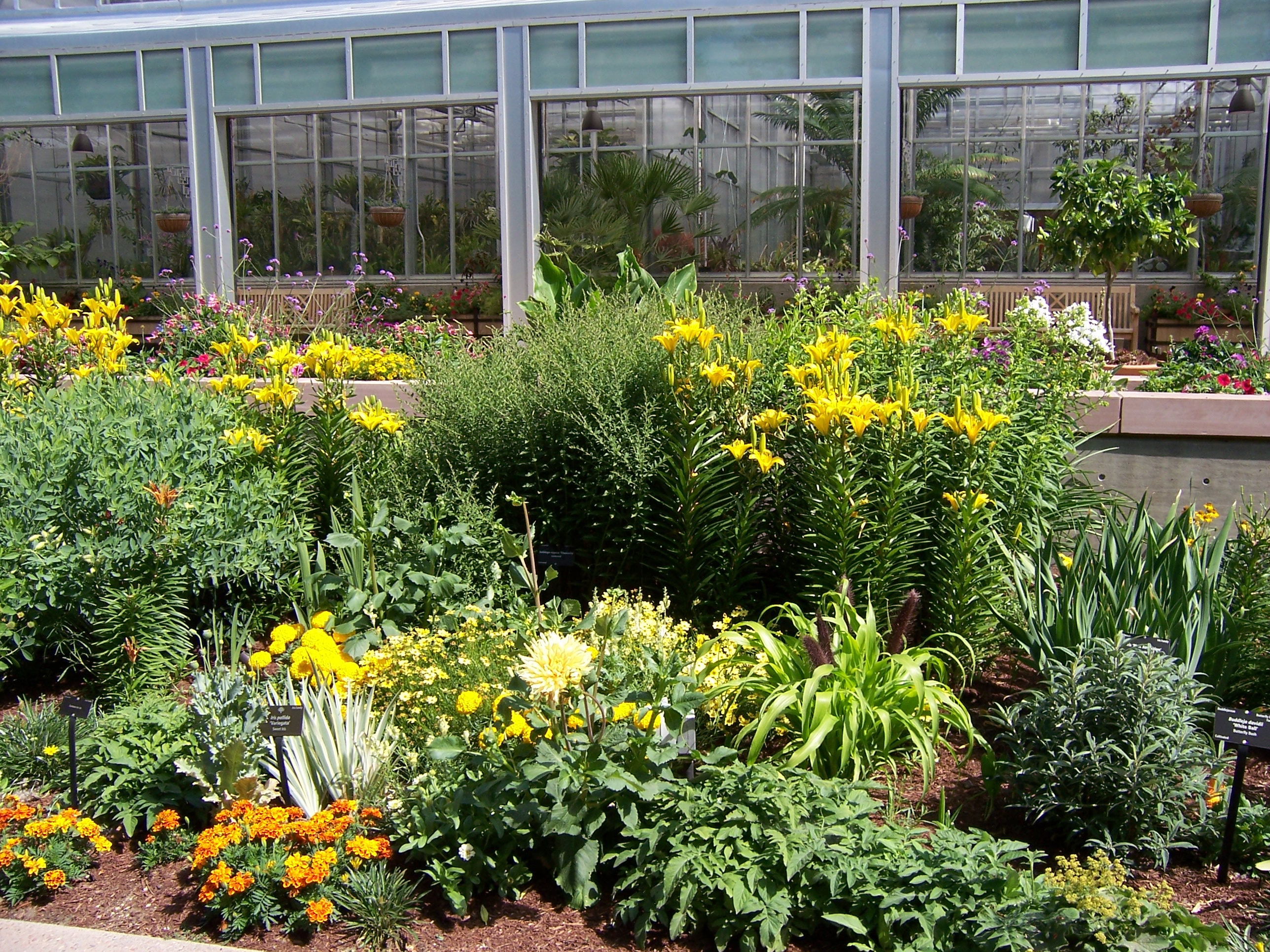
Denver 002

How often are you able to accept something you do not like, but which you cannot change?  Do you cling to your opinion regardless of its reality?  How often are you able to see things from another’s point of view?

Some would say that compromise in any form is a bad thing – like some members of the U. S. Congress.  No matter what the consequences for the people who elected them or the world economy, they only care about being right.  Needing to be right all the time is a very oppressive way to live.

Compromise Is the Basis of A Democratic Society

In a compromise, we all may get something we want, but we also accept that we may have to give up something.  It signals a willingness to keep life moving forward, to accomplish at least part of what we hoped to accomplish rather than accept a stalemate.  Compromise is the basis of working together to serve the common good.  As a humane and democratic society, I believe that serving the common good needs to be our objective because it contains an important spiritual aspect.

Carl Jung integrated psychology with spirituality

Carl Jung integrated psychology with spirituality (Photo credit: Wikipedia)

We Are All One

If we believe that we are all One, what we all need is important, and we must be conscious of the way that our actions affect others.  The energy we put out draws to us the people and situations that resonate with that energy, so if we are stuck on being right, we will draw to us others who believe they are right.  When these two groups believe they are right but are in opposition, we have a problem.

We can have a firm belief about an issue and be true to it in our hearts without forcing it on others.  For example, I’m firmly committed to eating a healthy, organic diet, primarily to avoid the diabetes that runs in my family.  This means that I don’t eat fast food or eat excessive amounts of fat or sugar.

Compromise Suggests A Sense of Fairness

There have been times when I’ve had friends who didn’t take good care of their health and who wanted to eat at restaurants where the food wasn’t healthy.  Sometimes they resented my healthier choices, but when they were willing to accommodate my needs, I tried to give them the choice to choose the movie we went to see or the event we would attend.  I tried to find a compromise that would please us both.

The reality is that when we choose a healthy or spiritual path, we will find people who resent the peace and health we have found.  We choose not to deviate from our path because the consequences can be harmful and we simply have to accept others’ condemnation.  If the compromise we make cannot offer something good for each side, it won’t be a positive compromise.

The current situation in Washington, D. C. is a perfect example.  Combining very different issues in the same bill makes no sense, and I’d love to see a law passed forbidding these kinds of bills.   Having one topic in one bill would simplify the process and make compromise more likely, and it would make  it more difficult to hold the opposition hostage.

United States Capitol Building

United States Capitol Building (Photo credit: Jack in DC)

The Challenge of Compromise in Relationships

But how often do we do this in our personal lives.  I was once in a relationship with a man who invited a woman he said he didn’t know well to live with him indefinitely until she could find a job and a place to live.  I was very uncomfortable with this.  He was lying to me about how well he knew her, but I didn’t know that until later.  I didn’t think his choice was appropriate, but he made it clear that he had promised to do this for her and it was a matter of principle to keep his word.

I pointed out that his situation had changed since he had made her that promise and being in a relationship meant he needed to make a different choice.  I suggested he limit the time she could stay or find someone else she could stay with.  He refused any compromise I suggested.  He was just as adamant about this as the people in Washington who would prefer to ruin lives rather than find a compromise.  In the end, my partner’s inability to compromise in many situations destroyed the relationship.

Open Ourselves to What Is Beneficial

In order to be willing to make changes when we are challenged with difficult situations, we must be able to see the other point of view and accept it for what it is.  Hopefully we can find some good in it so that we can find the points where we can agree and preserve our relationships for the good of all.  Letting go of the ego and looking at the situation from the heart will often bring us in alignment with that sense of Oneness, and that sense can help us let go of what is not really important and liberates us from what is not beneficial.

It is disheartening to see the condemnation that is occurring in the U.S. Congress and the way that greed and politics have infected the people we elected.  But sometimes we have to see the worst before we are willing to change our ways.  Let’s hope this is the worst we ever see, and that somehow our leaders finally remember they were not elected to be right; they were elected to serve all the people.  Keeping our egos in check tends to lead us to better choices.

How do you feel about making compromises?

© 2013 Georganne Spruce                                                     ZQT4PQ5ZN7F5

Related Articles:  Making Compromise Work BetterWhat You Should Never Compromise On While Building Your Career, 6 Steps for Resolving Conflicts 

AWAKENING TO THE SACRED DANCE

“Something opens our wings.  Something makes boredom and hurt disappear.  Someone fills the cup in front of us.  We taste only sacredness.”  Rumi

Sergey Yeliseev

Photographer: Sergey Yeliseev

What is sacred to you?  How important is it in your life?  What role does it play in helping you deal with challenges in life?

Accessing the Sacred Through Creativity

I begin to write a poem inspired by a thought created by something I see in nature or one that comes to me through Spirit.  I start writing, letting the thoughts and images flow without editing until they stop.  There is no rational thought here.  It feels like the words come from a sacred place filling the empty page, and if I am writing about nature, a tree or an animal, it feels as if I become one with it.

Any creation is sacred.  When I am creating, it doesn’t matter what is happening in my life.  The conflicts, aches, frustrations all drop away and I am floating in a clear sky, peaceful and full of potential.  Opening my wings, I open my mind.

THE RAVEN’S DANCE

by

Georganne Spruce

The breath of the wind

Rustling through the maples

Touches my cheek gently,

And I become the Raven

Coasting on an updraft.

Wings touching the clouds,

I bend backwards and stretch

Upon the cool fresh grass,

My wings becoming

Arms again.

The crickets sing in my ear,

Their chorus of ancient rhythms

Inspire me and I dance

On the breath of life

As I have never danced.

Like the cave artist, I draw

My ecstatic dance through space

Singing with the crickets,

Dancing on the earth

Where fires will glow at night

Welcoming sages.

I will dance for them

My truths,

I will dance for them

My joy,

I will dance for them

The Raven’s dance,

Wings flying through eternity,

Littering holy messages

At their feet,

I will dance life,

I will dance life,

I …will…dance…LIFE!

Finding Peace At Our Centers

But when our wings don’t open, and the boredom and hurt don’t disappear, and no one fills the cup, what can we do?  This morning I had to balance my chakras before I could do anything.  The challenges of mundane life became a burden this week, and every attempt I made to move forward was blocked.  I’ve felt emotionally exhausted from not being able to complete the changes I needed to make and finally realized I was neglecting my spiritual self, and that was what was creating the problem.  When I am centered, the challenges do not become burdens.

English: A dancer of Sri Devi Nrithyalaya perf...

English: A dancer of Sri Devi Nrithyalaya performing one of the Karanas (key poses) of Natya Yoga. (Photo credit: Wikipedia)

Releasing the Ego’s Concerns

Often, stepping into the spiritual realm by doing meditation, affirmations, yoga or chakra balancing will take us to a place where we can let go of our ego and emotional attachments to the things that burden us.  When we have released the attachment, we can often see the situation more objectively and open our minds to solutions we haven’t considered.  But most importantly, it reminds us that there is more to us than our physical lives.

Connect With Spirit Through Nature

Denver 030

For me, connection with nature has a calming influence and reminds me I am connected to all living beings and that awareness expands my energy.  The sound of flowing water, the soaring bird, the playful squirrel all remind me of the beauty inherent in all of us and that we are all One, connected by the energy of Spirit and that there is a peace beneath the surface chaos.

Art May Take Us Deeper

But words, music, art, or dance may also take us to a deeper level and bathe our soul in peace or joy.  Athletes often speak of being in the flow.  Regardless of the activity, when we experience the Oneness of that flow or connect on the heart level to a piece of music, art, or poetry, we are in a sacred space and become a part of the dance of life.  We are uplifted in the deepest sense and strengthened by our connection to the sacred.

How do you experience the sacred in your life?  Please Comment.

© 2013 Georganne Spruce                                                         ZQT4PQ5ZN7F5

Related Articles:  9 Practical and Spiritual Tips for Letting Go of Unhealthy Attachments, Eckhart Tolle – Acceptance and Surrender, 5 Ways to Find Your Center When Life Feels Overwhelming

AWAKENING TO THE JOURNEY OF ONENESS

“The process of awakening is not one in which a definitive threshold is crossed and one is then enlightened, transformed, or ascended.  Spiritual growth is not focused on a destination, but rather, on the journey itself.”  Oneness, Rasha

2013 002

Do you feel you are enlightened?  Do you believe that your spiritual journey is on-going or that there is a goal you hope to reach?  How do you stay connected to your spiritual self?

I’m the sort of person who keeps lists and enjoys checking items off when I complete them.  It reinforces my sense that I have accomplished something.  I often wish that my spiritual journey were that neat – that there were various levels at which I could clearly see what I’ve accomplished.  But it just isn’t like that.

Remain Open to New Experiences

Enjoying the on-going journey of life requires us to remain flexible and open to new ideas and new experiences.  The reality is that even driving across country following a plan and a map we may have to make adjustments and take detours.  A rock slide, sink hole or flooded river may force us to find another route – to try to drive through this disaster would be insane.  So why do we think that our lives and spiritual journeys must follow a neat, unchanging pattern?

Many Practices Can Awaken Us To Oneness

If the journey is on-going, and by virtue of being a journey, it requires movement, how do we manage that?  Oneness states, “Know that the truth you seek is within you.”  Some find that connection through meditation, prayer, chanting, experiencing nature, or any number of spiritual practices.  All these practices can lead us inward to our own center where we are One with Oneness or Spirit.

Separation Is An Illusion

Of course, we never are separate from Spirit.  That separation is an illusion created by our egos when fear intrudes, and for the moment or for months we may lose our sense of connection unless we have a daily practice that keeps us tuned to the inner frequency.  But when we do lose that connection, finding it again is part of the journey too, and it is especially challenging in our busy world.

Looking down from the Blue Ridge Parkway near ...

Looking down from the Blue Ridge Parkway near Craggy Gardens. Photo taken with a Panasonic Lumix DMC-FZ20 in Yancey County, North Carolina, USA. (Photo credit: Wikipedia)

Traveling the Blue Ridge Parkway, near my home, requires travelers to be flexible, especially this year with the torrential rains we’ve had.  Areas are often closed due to rock slides or portions of the mountain sliding onto the roadway.  There are often detours – the straight path is just not always available.   So, we have to travel alternative routes and eventually we are able to get back on the Parkway.  In the meantime, we see towns and landscapes we’ve never seen before.  We may find that those routes will lead us to other places we would like to go that we were not aware of before we took the detour.

A Spiritual Journey Leads Us Deeper

Our journey is like that too.  We have to be willing to embrace change when it appears in our lives.  If I were to draw a diagram of my journey, it would resemble a series of spirals intertwined.  I explored the mind/body connection through dance, meditation, how to release my fear, Unity and Science of Mind principles, and I’ve always been close to nature.  After exploring one area, practicing it, and finding the value in it, I would reach a point where there was still a longing for more or a question that could not be answered.

There were also moments of depression.  I would think, “I’m practicing the principles.  Why aren’t they working?”  But with time those principles became a part of me, contributing to my wholeness, becoming another piece in the puzzle.  There were many experiences of losing jobs, loved ones, and security.  Each experience forced me explore my core and go inward once again to the places where I knew I needed to do my deepest healing.  And when it seemed nothing could alleviate the sadness or disappointment, I would once again have to let go of my expectations and be willing to let go of what was not serving me and face the unknown.

Oneness Is Always At Our Core

But at our cores, Oneness is always there whether we are aware of it or not.  Because of that, we can always return to it.  We have to let go of our busy routines, our anger, our hurt—any resistance that keeps us from just being, because it is only when we are just being that we can truly find Oneness and heal ourselves in that silence and love.  These moments are the rest stops on the journey that renew us.  They are the moments when we are finally still enough to hear the guidance that has been trying to get through to us so that we know what path would be most beneficial.

Life is a process just like Nature.  The seasons change; each brings a different experience, and each experience brings us a new opportunity to learn, to explore, and to journey where we have never been before.  Where we are now is merely one experience of the journey, and there are many more to come that will bring us a broader and deeper understanding of our spiritual lives.

© 2013 Georganne Spruce                                                          ZQT4PQ5ZN7F5

Related Articles:  How We Can Grow Through Spirit, Edgar Cayce and Oneness, Oneness by Rasha

AWAKENING TO LOVE THE SILENCE

“Keep silent, because the world of silence is a vast fullness.”  Rumi

Denver 015

Do you enjoy the silence or does it make you uncomfortable?  Do you avoid silence or embrace it?  What have you learned from the silence in your life?

What Is Silence?

We often think of silence as the absence of something: the absence of noise or conversation or the space between actions, but Rumi suggests it is much more than that.  When I think of the silence in my childhood, I remember the many days when I lay in bed ill.  I did listen to the radio sometimes, but often I read or drew paper doll dresses, or watched the birds or our pregnant cat trying to balance on the thin branches of the chinaberry tree.  For me, silence was creative or thoughtful time.  I had a lot of time to think about life at a young age.

At that time in my life, I rarely felt lonely in the silence because my mother or grandmother was always in the next room.  It was only later as an adult after a divorce or losing a friend that the silence became a lonely place.  Of course, as an introvert, I always needed some silence for rejuvenation, but for years, I experienced had mixed feelings about silence.

Silence Can Stimulate Creativity

At times, when silence appeared, I welcomed it, especially when I was a high school teacher.  It was such a relief, for a little while, to be away from the noise of a classroom full of spirited teenagers, and have the space and time to do my own thinking.  Silence was creative time too, and out of that silence arose poems, essays, and dances.  When I needed to think or plan, I welcomed the silence and lack of distractions so I could focus on the task at hand.

Silence May Create Discomfort

However, when I had nothing to do, I often felt uncomfortable with the silence, like something was missing.  I was uncomfortable doing nothing.  Only when I was near Nature did the silence feel comfortable.  But living in a city for years surrounded by noise, rarely walking through the forest as I did as a child, I lost touch with what I had valued so much in childhood.

It wasn’t until I started to meditate that I began to love the silence again.  At first my monkey mind seemed impossible to still, but with time, the practice worked and led me to other spiritual practices that improved my life, like learning to release my fear and envisioning what I wanted to manifest.  They all had one thing in common – I had to sit in the silence and find the silence within in order for a change to occur.

Silence Is A Way To Go Deeper and Love Oneself

In the silence, I found a deep peace simply by being there.  I let go of my need to always be doing.  I began to experience just being, and let go of any judgments my ego tried to create to distract me.  In the silence, I became more connected to Spirit and the spiritual guidance we can all hear only when we are willing to be an open channel.

In the silence, where I did not need to prove anything or do anything, I learned to love myself, for I could feel Spirit’s love for me and knew I was lovable.  Feeling this peaceful love allowed me to let go of all the ways I felt I was inadequate and understand I needed to learn to love others more and release my  judgments of them.

In Silence We Become One With All

Now, I am able to experience all the richness of silence without any discomfort.  Sitting in the silence gives me the same pleasure as soaking in a warm bath. When my life becomes too busy, I long for the silence, especially the silence of not thinking.  In the silence, the interruption of bird songs, breezes, sweet thoughts, physical relaxation, and the release of whatever I do not need at that moment all heal the rough edges of my soul, and they remind me that what is out there in the world pressuring me is not what is important.

What is important is that I remember I am One with All, and from this place of peace, in the silence, what I need to know will come to me, and what I need to know to heal, will be revealed when it is time to heal.   As Ram Dass says, “The quieter you become, the more you hear.”

What is your experience with silence?  Please comment.

© 2013 Georganne Spruce                                                    ZQT4PQ5ZN7F5

RELATED ARTICLES:  Eckhart Tolle – Silence and Stillness (video), Dive Into the Silence Between Your Thoughts, Awakening to Our Wildness, Being Authentic, Part 1,  Quiet Spirituality

DANCING TO CHALLENGING EXPERIENCES

“Experience is not what happens to a man (or woman); it is what a man (or woman) does with what happens to him (or her).”  Aldous Huxley

Denver 006

Do you enjoy having new experiences?  Have you had any unpleasant experiences lately that taught you something you needed to learn?  Can you see any experience as a door to deeper understanding? 

Last week I traveled to Denver where I had lived in the 1980’s.  Needless to say, it is huge compared to the Denver I knew, the one with only three skyscrapers, the one without a huge botanic garden, the one where trees did not completely overshadow my apartment building.

What I remember the most about the time I lived in Denver was that I found a spiritual path that has served me well, one that does not keep me attached to one set of ideas, but one which has taught me to trust all possibilities and be open to new experiences.

Enjoying New Experiences

I had several new experiences on this trip:  deep meaningful conversations with new friends, a wonderful day in the Denver Botanic Gardens, the exposure to “Soundsuits” created by Nick Cave in an exhibit at the Denver Art Museum, a trip to Vail through the magnificent and enormous Rocky Mountains, and four dry days of beautiful sunshine—something we haven’t seen in Asheville in months.  I felt I was dancing with delight all week.

Denver 001

Despite this philosophy at the core of my life of being open to new experiences, I like the comfort of routine:  regular meals with healthy, organic food, a similar bedtime each night and a good eight hours of sleep, and some meditation time.  For the most part, these comforts were easily integrated within the vacation time because my friend and I were staying with very accommodating friends.

Events Are Spiritually Challenging When Unexpected

However, our actual trips to and from Denver were the most irritating experiences I’ve had in years like the early days of learning to dance when every step was stumbling and awkward and rarely flowed with grace.  These red-eye flights left very late in the evening around 12:00 or 1:00 am and took me way beyond my comfort zone.  They totally disrupted my eating and sleeping routines.  The trip to Denver included the flight to our major airport being cancelled close to the time we planned to leave for the local airport, so we had to drive for two hours to get the flight which was then delayed for an hour.  We had been unable to choose our own seats and the ones assigned to us were the last seats which do not tip back.  The last time I had been forced to sit in such seats, I deplaned with serious back pain.  In this case, there were no pillows available to support my back and no extra seat to which I could move.   In addition, when we tried to relax and sleep as most people around us were trying to do, a stewardess behind us chattered loudly and incessantly.

So, what was I to do with this?  It was impossible to relax physically.  This was a three hour flight.  I was accepting of the need to drive rather than fly to our major connective city.  I was relatively patient when the flight was delayed.  But by the time we boarded the plane, I was feeling that this was too much, and my patience had run out.  I felt frustrated and angry at everyone who had contributed to this problem.  All I wanted was to go to sleep, but this was impossible because of the discomfort.  I hate to admit it, but I think I snapped and glared a lot.

Frustration Is the Result of Not Letting Go of Expectations

But what upset me the most about this experience was that I was unable to reach a place of peace that would have allowed me to accept the situation, go within and let go of my attachment to the discomfort.  I have done this in other situations.  Why not this one?  Probably because of my expectations.

My expectations were that I would have a comfortable seat where I could lean back and sleep.  I thought I would have a pillow available.  I didn’t realize they were no longer available except in first class.  If I couldn’t sleep, I thought I would just read, but I was so upset, I couldn’t focus on reading.  Most of all, I hated being in an environment where I had no control over my personal physical comfort, and I was unable to adjust my mind to accommodate the reality.  I was stuck mentally, unable to take the next step.

Fortunately, I was able to let go of my frustration about the trip as soon as I arrived in Denver.  I was so grateful to be able to sleep on a comfortable bed and immediately plunged into the joy of being there.  By the time we left for home at the end of our visit, my friend and I knew what to expect.  Although the trip home was also in the middle of the night, our plane left on time.  This time I had no expectations and was able to be in the moment each step of the way.

Releasing Expectations Creates Inner Peace

There were still no pillows available, but the seat back tilted a little.  I took a lot of deep breaths, reminded myself to be patient, read a little, did something close to meditation, and reflected on how grateful I was to be traveling with a dear friend, to have had a few days of sunshine, and enjoy the wonderful uplifting energy of a city where my life had been transformed.  Although I was still physically uncomfortable, I was able to be in the moment more.

Would I choose to take another red-eye flight?  Probably not, but if I did, I’d emulate some of the smart teenagers I saw traveling.  They brought their own pillows and sometimes a blanket, curled up in their window seats, and slept like babies.

Choose the Dance of Peace

It’s all about how we deal with the challenges because they won’t stop appearing in our lives, but we can use them to grow and expand our practice of our spiritual principles.  We can always choose the dance of peace.

How do you deal with uncomfortable situations you can’t change?  Please comment.

© 2013 Georganne Spruce                                                  ZQT4PQ5ZN7F5

Related Articles:  Nick Cave’s Art (scroll down and watch the first video), Why You Aren’t At Peace Right Now – Eckhart Tolle,    Eckhart Tolle – From Beng Upset to Being Peace (video)

AWAKENING TO NOW

“The destination toward which you assume you are traveling in your spiritual quest is not a destination at all.  For a destination, by definition, is somewhere other than where you are.  And where you are is all there is and ever can be—which is Nowhere.  All that can be changed is your perception of that blessed state.”  (Oneness, p. 342)

2013 019

How often are you in the moment?  What does that feel like?  Can you see the ways not being in the moment creates blocks for you to move forward?

Enlightenment As A Goal?

I once knew a man whose goal was to become enlightened.  I was puzzled by that because it seemed to me that enlightenment was something that came to us or didn’t.  Of course there are many spiritual practices that can take us to a consciousness level where enlightenment is more likely, but it seemed to me that making it a goal was self-defeating because enlightenment then became a destination.

George_Harrison_Chanting_Hare_Krishna in Vrind...

George_Harrison_Chanting_Hare_Krishna in Vrindavan, India (Photo credit: Wikipedia)

Time Is An Illusion

We earthly beings have created the concept of time.  It doesn’t actually exist.  Perhaps we created it so that we would know where we were in some sense because we have not yet developed the consciousness to just live in beingness.  In this physical body and physical plane we need concepts that ground us.  Time is one of those.

The older I get the more I am able to live in the moment.  I think it’s part of letting go of the need to control so much of life or perhaps it’s the result of having had so many experiences when I couldn’t control the situation.  As an adult, I reached a point where I was very depressed because it seemed I couldn’t get anything I really wanted.

Trying To Control Everything Creates Resistance

My parents wouldn’t send me to the school I wanted to attend, then my husband proved to be uncommitted to our marriage the way I was and he left, then I tried to get a full time teaching position after I left the one I had in Nebraska and couldn’t.  It seemed that there was nothing that was really important to me that I was able to create despite my determination.  I had been taught that if I worked really hard, I could get what I wanted in life, but it didn’t turn out that way.

What I didn’t understand then, that I do now, is how my determination created resistance and how resistance blocks the manifestation of what we want.  I was always so busy doing what I thought I needed to do to make things happen that there was no space for what I wanted to enter my life.  I was unaware of how my energetic vibration affected all of this.

A Positive Energetic Vibration Creates What We Need

While I was applying for a job or looking for a new friend or lover, my focus was out there on some destination, not in the moment, because in the moment I was unhappy with what I didn’t have and so that energy was the most influential.  Now I’ve learned to focus on the present.  If I’m filling out a job application, I do it with excitement and pleasure, relishing this first step.  I need to stop worrying about getting the job, and make this step and each following step pleasurable.

Our energy in the moment is what creates the future, but when we get to the future we are again in the present, and we were in the present as we journeyed to the future, so….how we experience the moment is the only thing that matters.  The more we visit the stillness within us where the moment resides, the more clarity we will experience.  It also allows thoughts and feelings from our deepest selves to emerge.

Answers Come To Us In the Spiritual Silence Of the Moment

Recently, I was sitting with much anxiety about why I was feeling anxious.  I knew there was no rational explanation, so I sat until I felt calmer and let go of my need to understand.  In the quiet I created a space for the answer to emerge, and when I calmed down, it did emerge.  I saw that the child within me was responding to how my mother’s overprotection used to make me feel smothered.  I reminded myself that this had nothing to do with this current situation, that I was projecting the past into the present.  When I saw what was going on, I let go of the anxiety that no longer served me.

When Oneness reminds us that in the moment, we are nowhere in relation to time, it also reminds us that being in the moment means we are also Everywhere.   In this state, there is no sense of “not having.”  “All That Is—is present.” (Oneness, p. 343) When we can slow down enough to experience this present moment, it allows us to experience peace, love, and joy—not because of what we have, but because we simply are.  In this spiritual state, we are all that we need to be.

Is practicing being in the moment a part of your life?  Please comment.

© 2013 Georganne Spruce                                                                 ZQT4PQ5ZN7F5

Related Articles:  Awakening to New Life, Oneness Speaks (video), The art of Now: Six Steps to Living in the Moment, Learn to Live in the Now With Eckhart Tolle

New video: Awakening to the Dance: A Journey to Wholeness

AWAKENING TO OUR SPIRITUAL HOME

“Where we love is home – home that our feet may leave, but not our hearts.”  Oliver Wendell Holmes

photo (2) Is home a place or a person for you?  Is it within or without?  Is your spiritual home different from your literal home?  Are you at home with yourself?

What is Home?

I live in the mountains of North Carolina where most people who live here are from someplace else.  Their stories of why they decided to move here are very similar.  They were drawn here.  They visited here and for the first time, they felt they were home.  Very rarely do I hear a story with any rational explanation.  Moving here was motivated by something deeper, something unexplainable and very spiritual. It isn’t just that they feel at home in a place; the home they feel is a community of like-minded people, the spiritual energy of these mountains, and the artistic and diverse people who live here.  It is a place that touches their hearts in many ways.

Home Is Not A Place

In 1999 when I moved to the Land of Enchantment, New Mexico, everything I needed to stay there fell into place.  There were many signs that it was where I belonged, and I was sure that it was my soul’s home.  But just as easily as things fell into place, things fell apart, and the five years I was there were extremely challenging.  On the other hand, I began writing seriously and found Southwest Writers, a wonderfully supportive organization where I met many successful writers.  The more I wrote, the more I felt at home in my own skin.

Make Your Home in Your Mind

Tad Williams has said, “Never make your home in a place.  Make a home for yourself inside your own head.  You’ll find what you need to furnish it—memory, friends you can trust, love of learning, and other such things.  That way it will go with you wherever you journey.” photo I spent much of my life looking for the place where I would feel at home.  I always seemed to have different ideas and values than the people around me.  I equated feeling at home to feeling I belonged.  The problem with all that was that I was looking outside for something I could only find within.

Edsel Ford, an Arkansas poet who was a family friend when I was growing up, once wrote:  “Love is to come home dying from the world and find life there.”  I often felt I was dying in New Mexico, but I learned to let go of my attachment to the outer and follow my inner guidance.  I learned to stand more firmly on my own two feet, and all that led me to understand, home was wherever I was and the life and light I sought was within me.

Our True Home Is Our Spiritual Core

What we feel inside at our spiritual core affects everything in our lives.  If we are at home in our own bodies and minds, we will experience peace.  If we love ourselves, we will love others and they will love us.  The physical place where we are won’t matter.  It will be just another experience in our spiritual journey.  We can be in Alaska, Africa, or Spain and feel at home because at the deepest level we are at home with ourselves and that connects us with all humanity on a deeper level.  We are all One.

Love Is the Center of Our Home

The physical place where we are may not give us the life we need, but the friends, the memories, the desires, the energy of love we find with others can make wherever we are home.  Growing up, my family lived in several places, but what made each house home was the presence of my family’s love for me.  Love is the place we feel safe and accepted.  It’s where we can be who we really are.  It’s the spiritual center within us that we allow to open and gather in all that is good and nourishing, and it’s the place where we connect with Spirit and experience the greatest love that is possible.

Even now that my dear poet friend and most of my family have passed on, their love still lives within me.  The love of friends far away and nearby feed the home within me, and I carry them with me wherever I go.

How do you experience home?  Please comment.

© 2013 Georganne Spruce                                                            ZQT4PQ5ZN7F5 Related Links: What Does It Mean to Live Spiritual, Eckhart Tolle On Being Yourself, Accepting and Loving Ourselves in Ten Easy Steps, One Path, Many Mountains

AWAKENING TO RELATIONSHIPS: INTIMACY, PART 2

“Real intimacy is a sacred experience.  It never exposes its secret trust and belonging to the voyeuristic eye of a neon culture.  Real intimacy is of the soul, and the soul is reserved.”   John O’Donohue, Anam Cara: A Book of Celtic Wisdom

Bee seeks flower for intimate relationship

Bee seeks flower for intimate relationship (Photo credit: ZaraBaxter)

What does intimacy mean to you? Do you experience intimacy in all your relationships?  Is it important to you? 

Many Types of Intimacy

Like empathy, I feel that intimacy is an important part of relationships, and we can experience it with friends or lovers because it can be experienced physically, emotionally, intellectually, and spiritually.  Intimacy is an aspect of relationship that comes from one’s deepest nature.  It is personal and private and based on trust.

The Intimacy of Friendship

A couple months ago, I sat in a café on a cold, blustery day with a close friend who had been out of town for a couple of months.  As I sat sipping my coffee, I felt warm all over, not so much from the coffee as from the pleasure of being with this person to whom I can tell my deepest secrets without ever fearing she will share them inappropriately.  I trust her completely because she is truly a loving and empathetic person and treats relationships as sacred.

At home or Intimacy

At home or Intimacy (Photo credit: Wikipedia)

The Challenges of Emotional Intimacy

It is also possible for a person to be intimate in one aspect, but not in another.  I once dated a man whose intellect was amazing.  Having a conversation with him was like making love with words, for the passion of our ideas and the way they intertwined was so exciting.  I could always say what I thought without fearing that he would criticize me.  Even if he disagreed, he did it with respect and admired my intellectual ability.

Unfortunately, our relationship didn’t last because I couldn’t trust him emotionally.  When there was emotional conflict, he often responded angrily and shut off all possibility of discussing the issue.  His ego was so fragile.  He would say hurtful things to assert his power. Although I loved him, being emotionally intimate with him was impossible, and without that, the physical intimacy was not satisfying.

Intimate Communication

As John O’Donohue says, “Real intimacy is of the soul.”  This suggests that in order to experience real intimacy, we must connect at the soul level, and that requires us to share what is deepest within us.  We must find the courage to share our feelings, to express our love, to show empathy when our friend or lover is in distress.  We have to learn to listen, and if we are to be trusted, we must demonstrate in the relationship that we will always make loving choices and respect each other.

But in any relationship, the way we communicate has a powerful impact on the intimacy level of the relationship.  I have had the pleasure of experiencing Imago Relationship Therapy which is based on the idea that we draw to us people who bring our deepest childhood wounds to the surface so that together we can heal those wounds.  Developed by Harville Hendricks, who has written many wonderful books on relationships, the process involves learning to communicate so that one can listen and respond with compassion.   Without this, a relationship has little chance of developing intimacy.

The Intimacy of Making Love

A physical relationship without an emotional connection is merely having sex.  While the touching and closeness provides us with pleasure, it involves only physical intimacy.  When we make love, we are relating in a deeper way, and intimacy, an aspect of love, is present.  It may take on another whole dimension of experience that enhances the emotional aspect of a relationship, for it is about giving pleasure to each other, not just pleasuring oneself.

The reason we are so drawn to a sexual experience is that it takes us beyond this earthly realm.  It is ironic to me that some religions see sex as unspiritual because an organism is an ecstatic experience that blots out ego and time.  After I balance my chakras, I integrate the work by drawing energy from the base of my spine, up the spine and over my head.  It feels virtually like an orgasm.  This loss of time and space is also typical of Tantric practices.

Ecstatic Spiritual Intimacy

There are many examples of religious ecstasy that reflect the same experience.  In Rumi’s poetry, he speaks of his relationship with God as a lover’s relationship.  In the writings of St. Teresa of Avila, the 16th century Christian mystic, her experiences of religious ecstasy seem to reflect this same lost of ego and time.

And so this aspect of intimacy and the spiritual intimacy we experience in meditation, take us to a deeper relationship with Spirit. The experience of Oneness transcends the earthly and connects us with all that is.  On earth, there is no greater and satisfying relationship than one that encompasses the emotional, intellectual, physical and spiritual aspects of intimacy.  Challenging to create—oh, yes it is, but in the end it is worth it even if we only manage some aspects of the intimacy.  Even that is far superior to a relationship that lacks them all, for when no intimacy is present in a relationship, it can serve only a superficial purpose.

How important do you think intimacy is in a relationship?

© 2013 Georganne Spruce                                                                   ZQT4PQ5ZN7F5

Related Articles: Tantra:  Sexual and Religious Ecstasy, Harville Hendricks – Imago Couples Therapy, Rumi Love and Ecstasy Poems

AWAKENING TO COMPASSIONATE COMMUNICATION

“Every man takes the limits of his own field of vision for the limits of the world.”  Arthur Schopenhauer

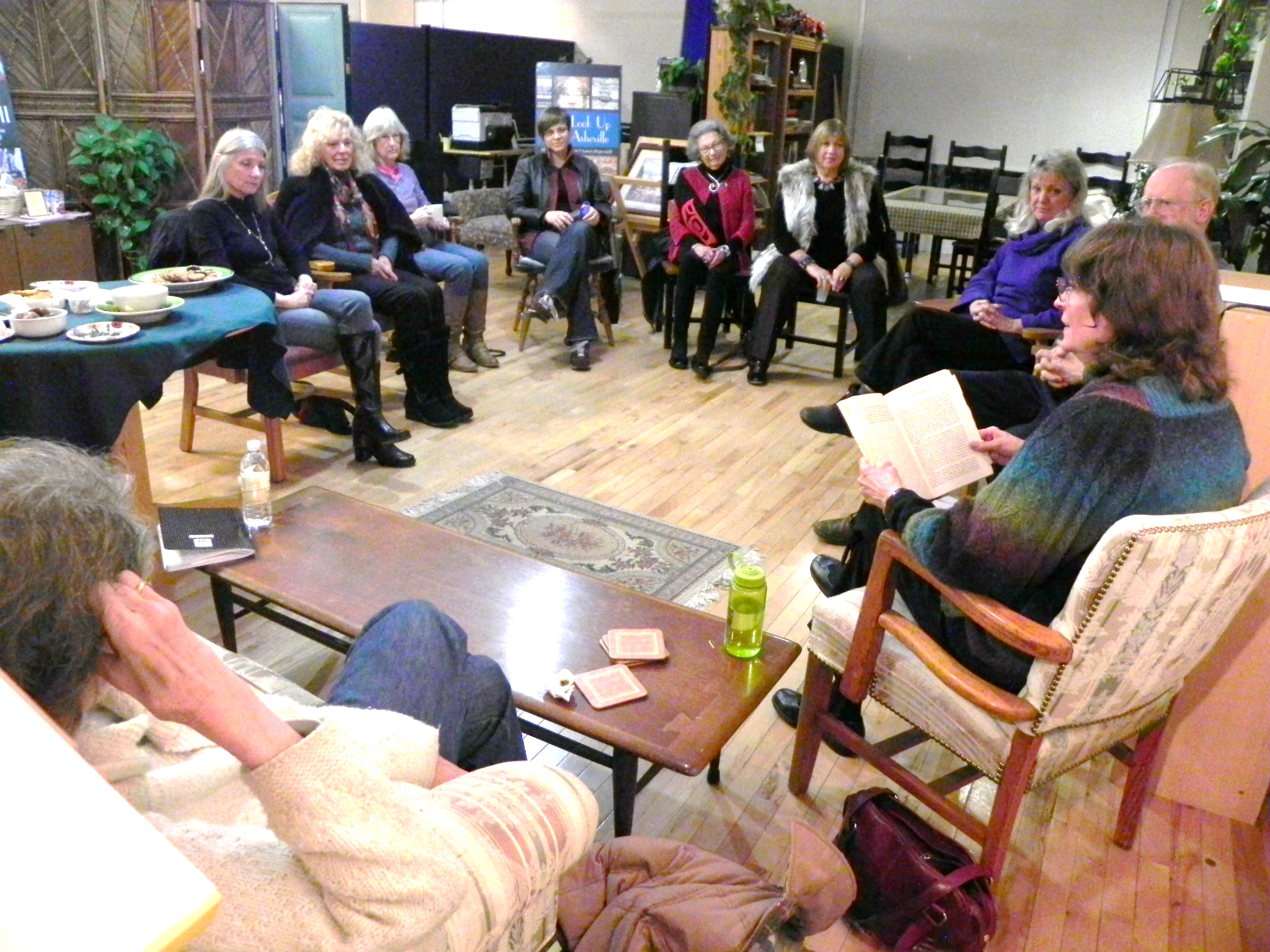
best of most of group

What do you do when you are offended by what someone says to you?  How often do you stop and think about your response before speaking?  How can you create peace in a conflicted situation?

We can only see what we can see.  When I was four, my world consisted of the house where my parents and I lived, my great aunt’s and great grandmother’s house next door, my grandparents’ garage apartment and my grandfather’s carpentry shop below, and the yard in between.  It was a rich, loving world filled with cats, birds, a boxer dog, and a bureau full of books.

Life Experience Can Broaden Our Vision

Many years later, my world is quite different.  I have lived in urban environments in all four parts of the United States and spent several weeks studying in West Africa.  All those loving people who surrounded me at four have passed.  I am now surrounded by the mountains I love, but the world I know stretches far beyond this hollow.

The more I have been exposed to people who are different from me, the more I have grown in my understanding of human nature.  Part of this is related to my own curious mind.  I love learning about almost anything.  I have always been curious about views that are different from mine and I don’t feel threatened at all by being exposed to new ideas.  I read, explore, and if I feel the idea or practice may be useful, I work with it for a while to determine if it has value for me.

Communication Is The Key To Understanding

Because of my exposure to different cultures, I have become more aware that the way we communicate is the key to understanding each other.  There are many practices that relate to compassionate communication, but I want to look at one specific aspect of communication today.  What is our intention when we speak?

Having tended a number of discussion groups over the last few years, I have observed that there are some people who just want to let off steam.  Others want to prove they are right and turn any discussion into a debate.  Many people want to connect with others in a way that builds community and deep connections.  These are all very different ways of communicating.

Personally, I want to connect in a way that allows me to understand others and that they understand me, for understanding helps me respect the views with which I disagree.  I don’t have to agree with what another believes, but I need to respect it and be compassionate because this can create peace where otherwise there may be conflict.  I want peace in the world and this is one way I can help create it.

Check Within Before We Speak

We can’t control how another person acts, but we can choose to take responsibility for ourselves.  Self-monitoring helps us become more conscious.  For example, a discussion becomes heated and we feel ourselves becoming offended by what is being said.  Before we speak, it is wise to check within.  Are we feeling defensive or angry?  Are we feeling disrespected?  Can we offer our perspective in a way that may calm tempers and shift the tone of the discussion?  When we speak, what is our intention?

Our Choices Reflect Our Intention

 Our intention is reflected in our choice of words.  It is amazing how powerful this choice is.  For example, consider the difference between chatter and rant used as words to describe a comment you’ve made.  Chatter is defined as trivial or idle talk.  Rant is defined as pompous or overblown speech.  Neither word is a compliment.  So, it is important to be mindful enough to choose words that will not insult the other person if what we want is a meaningful dialogue.

The Outer Reflects the Inner

Our choice of words is a reflection of our intention.  The outer expresses the inner and that is why we need to be willing to examine our intention and we need to be willing to listen carefully to the other person and observe their body language and tone of voice.  What they are expressing reflects their inner selves as well.  If we are compassionate, we will try to put aside our ego needs and listen with love.

If what the other person is expressing is negative, we need to remember that behind all negative attitudes, there is fear.  Where there is fear, there is pain.  Perhaps they cling to certain beliefs because their whole world would fall apart if they even considered an alternative. We all experience this, so the question is:  When we are listening to someone who is expressing a view we find irritating or offensive, can we remember that we are hearing their pain and can we also consider that our negative response may be coming from our pain.

Be Open To Learning

Schopenhauer portrait1

Schopenhauer portrait1 (Photo credit: Wikipedia)

Schopenhauer said, “Truth passes through three stages: First, it is ridiculed; Second it is violently opposed; Third, it is accepted as self-evident.”  There was a time when mankind laughed at anyone who suggested the earth was round.  We all evolve and our understanding of life hopefully evolves too. When we find ourselves quickly dismissing another’s ideas, it may be a good idea to explore the possibility that a truth lies hidden beneath what we consider the chatter or the rant.

Setting the intention to listen and speak compassionately primes us to be more mindful and respectful.  Who knows—maybe the next outrageous idea we hear, in six month’s time, will be the answer to a major dilemma in our lives.

© 2013 Georganne Spruce                                                         ZQT4PQ5ZN7F5

Related Articles:  Compassion Is Not Optional, Make Love Your Habit (Wayne Dyer), Compassion Is the Key (audio – Wayne Dyer), Living Peacefully

AWAKENING TO SPIRITUAL SURRENDER

“When one approaches any effort with the energy of reluctance or half-heartedness, the result will not be satisfying.  When you choose a spiritual path because your mind tells you that you should, you can expect to be disappointed.  When you practice a spiritual discipline begrudgingly, enduring the repetitions, rather than savoring them, the method will prove fruitless.  For the vibrancy of any approach is based not on the mechanics of the practice but upon one’s total surrender to the direction in which the practice leads you.”  Oneness

Biltmore Estate 2011 015

How do you deal with your frustration when your meditation or other spiritual practice does not give you the peace you seek?  What expectations do you have about the spiritual path you follow?

Has your spiritual practice always led you in the direction you expected?  Mine hasn’t.  In fact, I would describe my spiritual journey as a spiral dance, often changing direction and going where I least expected.  At times, my life has felt stuck in an uncomfortable and unpleasant place, and it has taken me many years to understand that, in most instances, my resistance was keeping me stuck because I wanted the experience to be what I wanted it to be, not what it actually was.

Living  With Traditional “Shoulds” and Should Nots”

Growing up, my family attended a traditional Protestant church and I learned many “shoulds” and “should nots.”  That, along with my perfectionist tendencies, made me a person who was comfortable with a situation only when it was the way I thought it should be.  But as time went by, it seemed that too many things happened that shouldn’t have.  My brother shouldn’t have had polio.  I shouldn’t have had rheumatic fever.  We were good kids and our parents were good people.  Why was this happening?

Eventually, as a young adult, I realized this spiritual path wasn’t working for me.  I knew I was supposed to be religious, but I gave up and allowed myself to find the inspiration I sought in the fine arts where each creation I experienced was a glimpse into the artist’s soul.

Perfectionism Limits Freedom

I was so conditioned with “shoulds” that they continued to haunt me.  Early in my modern dance training, I was so focused on not falling and doing every movement perfectly that I was always tense.  As I became more confident and skilled, I finally surrendered and let myself become one with the movement, choosing the exhilaration over the perfection.  I felt free for the first time. That’s when I really began to dance and dance began to feed me spiritually.

Learning to Savor the Moment

When I learned to meditate, I tried so hard to do it correctly.  I judged myself for not being able to be calmer more quickly until my teacher finally said, “You don’t have to do it perfectly, you just need to sit there.  Just notice your thoughts and let them go.”  Eventually, I learned to “savor” the stillness and quiet of sitting.  I saw it as a vacation from my busy life.  Like lying on the beach listening to the ocean waves brush the shore, I let my thoughts flow through my mind without judging them.

Exploring Spiritual Practices

Exploring Spiritual Practices (Photo credit: robinsan)

Surrender Opens Us To A Spiritual Connection

As Oneness points out, the only way we can move forward with our spiritual practice is to “surrender to the direction in which the practice leads you.”  As we practice, a feeling of peace may come over us with guidance that helps us take a step forward in our life process.  It may seem strange, but we have to learn not to pay attention in order to notice what really matters.

Having Courage To Follow The Path

When the direction the practice leads us is one we like, we look forward to practicing because we envision a positive and refreshing experience.  But if we truly practice, we do not control what appears and it may be darker rather than light.  It is human to want to avoid the unpleasant; yet we cannot grow and expand without acknowledging the negative aspects of our thoughts.  These are often the moments when our fears appear, flooding us with despair or anger, and we have to acknowledge them and then let them go.

Often, in being able to see and feel the fear, we are able to understand what to do about the problem that created it.  It’s not unusual for so much clutter to be cleared out during mediation or other practices that we can finally see a solution that comes from our spiritual self rather than the ego that is so busy trying to be right.  The solutions that include the deeper aspects of a problem are the most satisfying ones, for they don’t just gloss over the problem, they expose it so it can be solved.

Savoring each repetition and moment of silence in our practice centers us and raises our vibration, allowing Spirit to guide us to what we most need to experience.

What is your most meaningful spiritual practice?

© 2013 Georganne Spruce                                                            ZQT4PQ5ZN7F5

Related Articles:  Yoga, A Spiritual Path, Enlightened Beings: Secrets to Walking A Spiritual Path, Wayne Dyer – There Is a Solution, What Is the Meaning of Surrender in Spiritual Practice